

Best Elbow Brace for Hypermobility: A Complete Guide to Stability and Pain-Free Movement
If your elbow joint bends further than it should, feels loose during everyday tasks, or slips out of place when you lift, push, or twist, you are likely dealing with joint hypermobility. Choosing the right elbow brace for hypermobility is one of the most effective, non-surgical ways to restore stability, reduce pain, and protect the joint from repeated strain. This guide walks through everything you need to know before buying an elbow brace for hypermobility, from how these braces work to which features actually matter.
What Is Elbow Hypermobility?
Elbow hypermobility happens when the ligaments and connective tissue around the elbow joint are looser than normal, allowing the joint to move beyond its typical range. This can occur on its own or as part of a broader hypermobility spectrum disorder, such as Ehlers-Danlos syndrome or generalized joint hypermobility. People with hypermobile elbows often describe a feeling of the joint “giving way,” clicking, or hyperextending during simple activities like typing, carrying groceries, or pushing open a door.
Over time, this instability can lead to chronic inflammation, tendon irritation, and even nerve compression if left unsupported. This is exactly why an elbow brace for hypermobility is often recommended by physical therapists and orthopedic specialists as a first line of conservative treatment.
How an Elbow Brace for Hypermobility Helps
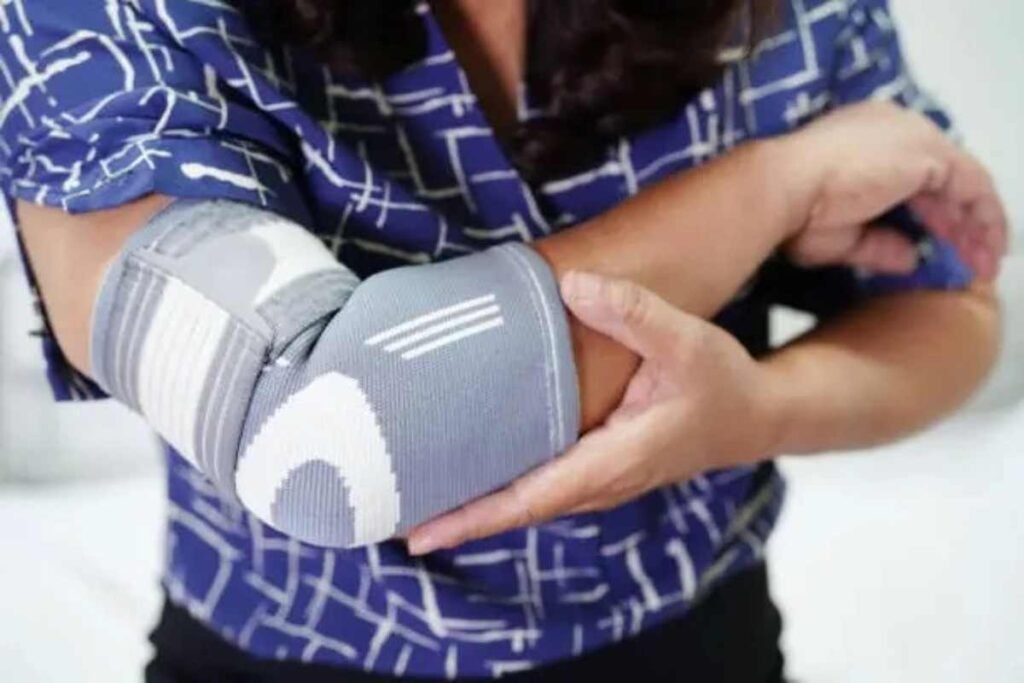
A well-designed elbow brace for hypermobility works by gently limiting the joint’s end-range motion, particularly hyperextension, while still allowing enough movement for daily function. Unlike a rigid cast, these braces use adjustable straps, semi-flexible stays, or compression fabric to give the joint proprioceptive feedback — essentially reminding your muscles and nervous system where the joint should be positioned. This added awareness reduces the risk of the elbow slipping into an unstable position during activity. Many users report that wearing an elbow brace for hypermobility during exercise, work, or repetitive tasks noticeably reduces both pain flare-ups and the sensation of joint instability.
Key Features to Look for in an Elbow Brace for Hypermobility
Not every brace on the market is built for hypermobile joints. Standard tennis elbow straps or basic compression sleeves are designed for tendon pain, not ligament laxity, so they won’t provide the support you actually need. When shopping for an elbow brace for hypermobility, prioritize the following:
- Hyperextension stop or ROM limiter: Look for a brace with adjustable hinges or stays that physically block the joint from bending backward past a safe angle.
- Breathable, skin-friendly fabric: Since hypermobility braces are often worn for extended periods, moisture-wicking neoprene or mesh prevents irritation.
- Adjustable compression straps: Multiple straps let you fine-tune tightness around the bicep and forearm independently.
- Low-profile design: A slim build allows the brace to fit comfortably under long sleeves for daily wear at work or school.
- Latex-free materials: Important for users with sensitive skin or Ehlers-Danlos-related sensitivities.
Comparison Table: Top Options for Hypermobile Elbows
| Brace Type | Support Level | Best For | Hyperextension Stop | Breathability |
|---|---|---|---|---|
| Hinged ROM Elbow Brace | High | Moderate-to-severe hypermobility | Yes | Moderate |
| Neoprene Compression Sleeve with Straps | Medium | Mild instability, daily wear | Limited | High |
| Rigid Post-Op Style Brace | Very High | Post-injury or severe EDS cases | Yes | Low |
| Elastic Strap-Only Brace | Low-Medium | Light activity, tendon support | No | High |
Pros and Cons of Wearing an Elbow Brace for Hypermobility
Pros:
- Reduces joint hyperextension and the “giving way” sensation
- Improves proprioception, helping muscles stabilize the joint naturally over time
- Non-invasive alternative or companion to physical therapy
- Allows continued participation in work, sports, and daily tasks
- Portable and easy to adjust throughout the day
Cons:
- May feel restrictive during the first few days of wear
- Not a permanent fix — muscle-strengthening exercises are still necessary
- Rigid hinged versions can be bulky under clothing
- Requires proper sizing, or support may be ineffective
How to Choose the Right Elbow Brace for Hypermobility
Selecting the correct elbow brace for hypermobility depends on the severity of your instability and your daily activity level. If your hypermobility is mild and mostly noticeable during exercise, a compression sleeve with light straps may be enough. If you experience frequent hyperextension, visible joint slipping, or diagnosed connective tissue disorders like Ehlers-Danlos syndrome, a hinged brace with a hyperextension stop offers far more reliable protection. It’s also worth considering how long you’ll wear the brace each day — office workers and students often prefer a low-profile design that fits discreetly under clothing, while athletes may prioritize a more rigid, high-support design for training and competition.
Sizing and Fit Guide
An elbow brace only works if it fits correctly. To measure for an elbow brace for hypermobility, wrap a soft tape measure around your forearm about two inches below the elbow crease, then repeat around your upper arm about two inches above the crease. Compare both measurements to the brand’s sizing chart, since most manufacturers size based on forearm and bicep circumference rather than a generic small-medium-large scale. A brace that’s too loose won’t limit hyperextension effectively, while one that’s too tight can restrict circulation or cause skin irritation, especially during long wear periods.
Caring for Your Brace and Your Joint
Wearing an elbow brace for hypermobility is most effective when paired with a broader joint-stability routine. Physical therapists often recommend light resistance training for the biceps, triceps, and forearm flexors to build muscular support around the loose ligaments. Wash removable liners regularly to prevent odor and skin breakdown, and inspect hinges or stays periodically for wear, especially if the brace is used daily for work or sports. Rotating between two braces — one for high-activity days and a lighter compression option for rest days — can also extend the lifespan of your primary support brace.
Who Should Consider an Elbow Brace for Hypermobility?
Not everyone with a slightly bendy elbow needs medical-grade support, but certain groups benefit significantly from wearing an elbow brace for hypermobility on a regular basis. Athletes involved in weightlifting, gymnastics, tennis, or climbing place repeated stress on the elbow joint, making them especially prone to hyperextension injuries without added support.
Desk workers and students who type for hours often develop subtle instability from prolonged static positioning, and a lightweight elbow brace for hypermobility can prevent that discomfort from escalating into chronic pain. People diagnosed with generalized joint hypermobility syndrome or Ehlers-Danlos syndrome frequently need a brace as part of a long-term management plan, sometimes alongside physical therapy and occupational therapy referrals. New parents who repeatedly lift and carry infants also report benefiting from this kind of supportive brace, since sudden weight shifts can aggravate an already loose joint.
Common Mistakes to Avoid When Using an Elbow Brace for Hypermobility
Even the best elbow brace for hypermobility won’t help much if it’s used incorrectly. One common mistake is over-tightening the straps in an attempt to maximize stability, which can restrict blood flow and cause numbness or tingling in the hand. Another mistake is relying on the brace exclusively while skipping strengthening exercises, which allows the surrounding muscles to weaken further over time instead of compensating for the loose ligaments.
Wearing the wrong size is another frequent issue — a brace that shifts or rides up during movement won’t limit hyperextension the way it’s designed to. Finally, many people wait too long before trying a brace at all, pushing through pain and instability instead of seeking support early, when it’s most effective at preventing long-term joint damage.
Frequently Asked Questions
Is an elbow brace for hypermobility the same as a tennis elbow brace? No. A tennis elbow brace targets tendon inflammation near the forearm, while an elbow brace for hypermobility is designed to limit excessive joint movement, particularly hyperextension, caused by loose ligaments.
Can I wear an elbow brace for hypermobility all day? Many people do wear a low-profile elbow brace for hypermobility throughout the day, especially during work or repetitive tasks, but it’s generally recommended to remove it periodically to allow the muscles to engage on their own and avoid dependency.
Will an elbow brace for hypermobility cure my joint instability? A brace manages symptoms and protects the joint from further strain, but it doesn’t reverse ligament laxity. Combining a brace with targeted strengthening exercises gives the best long-term results.
What’s the best elbow brace for hypermobility caused by Ehlers-Danlos syndrome? Most specialists recommend a hinged brace with an adjustable hyperextension stop, since EDS-related hypermobility often requires firmer, more customizable support than a standard compression sleeve provides.
How do I know if I need an elbow brace for hypermobility? If your elbow frequently hyperextends, clicks, feels loose, or causes recurring pain during simple tasks, it’s worth consulting a doctor or physical therapist, who may recommend an elbow brace for hypermobility as part of your treatment plan.
Final Thoughts
Living with a hypermobile elbow doesn’t mean you have to avoid the activities you enjoy. The right elbow brace for hypermobility provides the external support your ligaments can’t, reducing pain, preventing further joint damage, and giving you the confidence to move through your day without constantly worrying about your elbow slipping out of place. Pair it with a consistent strengthening routine, and you’ll give your joint the best possible chance at long-term stability.


