

Best Knee Brace for PCL Injury: A Complete Buyer’s Guide
A PCL injury doesn’t behave like most knee injuries. The posterior cruciate ligament has better blood supply than the ACL, which means many PCL tears heal on their own — but only if the tibia is kept from sliding backward while the ligament repairs itself. That’s exactly what the right knee brace for PCL injury is built to do.
After comparing dynamic recovery braces, post-operative models, and return-to-activity supports across six of the most established options on the market, here’s how they compare — and which one fits which stage of recovery.
A note before you buy: PCL injuries range from mild strains to complete tears, and the right brace depends heavily on that grade and on whether surgery is involved. This guide is meant to help you understand your options — always confirm the specific brace and fit with your doctor or physical therapist before purchasing.
Quick Comparison Table
| Brace | Best For | Brace Type | Key Feature | Price Range |
|---|---|---|---|---|
| Ossur Rebound PCL | Active Grade II-III recovery | Dynamic PCL brace | Dynamic Tension System, adjustable shear knobs | High-end (professional fitting) |
| Albrecht PCL Jack | Acute Grade II-III injuries | Dynamic force brace | Clinically studied anterior tibial force | $400+ |
| DonJoy Armor Knee Brace | Multi-ligament instability | Functional hinged brace | Standard hinge with PCL strapping | Mid-to-high |
| Ossur Rebound Post-Op ROM | Post-surgical recovery | Post-op ROM brace | Telescoping frame, adjustable ROM stops | Mid-range |
| DonJoy X-ACT ROM | Early post-surgery | Post-op ROM brace | Precision ROM hinge control | Mid-range |
| Aspen ROM Knee Brace | Return-to-activity support | Preventive/support brace | Lightweight ROM control | Budget-to-mid |
Ossur Rebound PCL
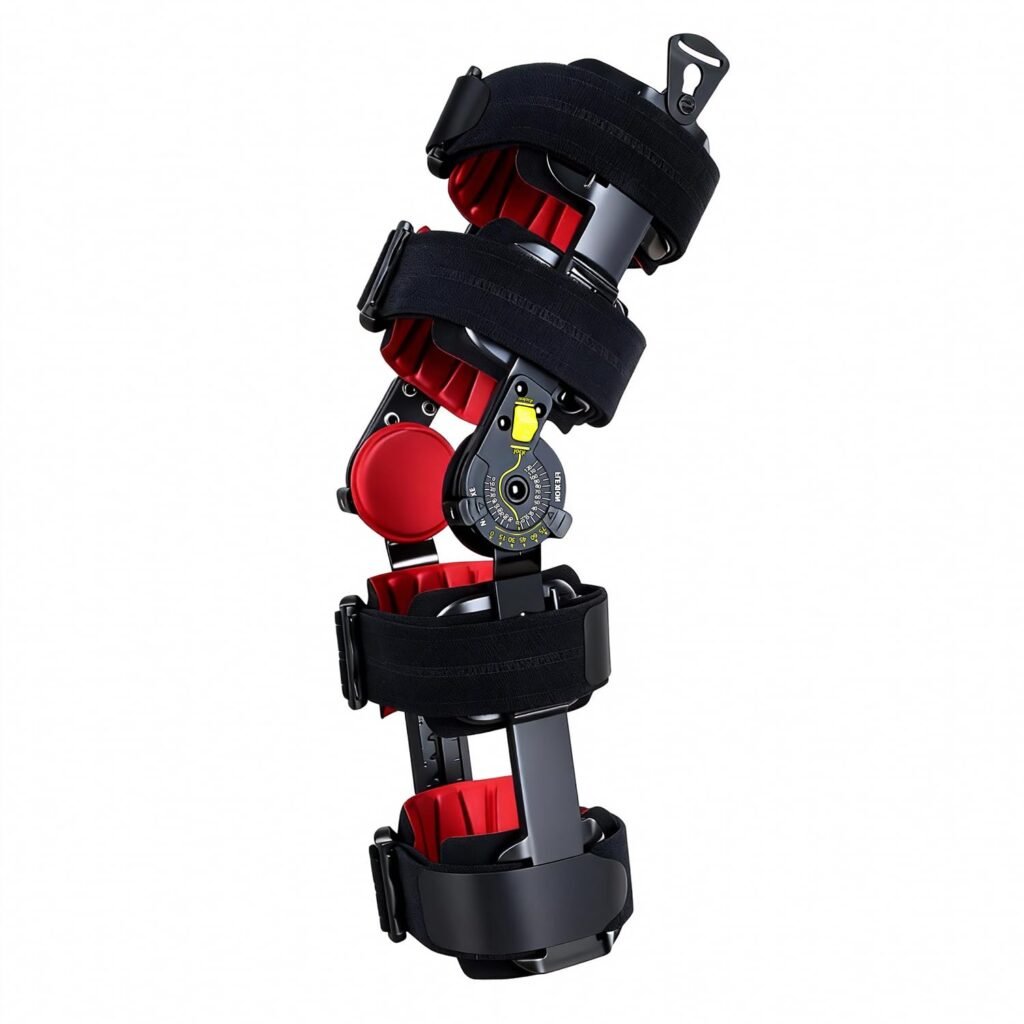
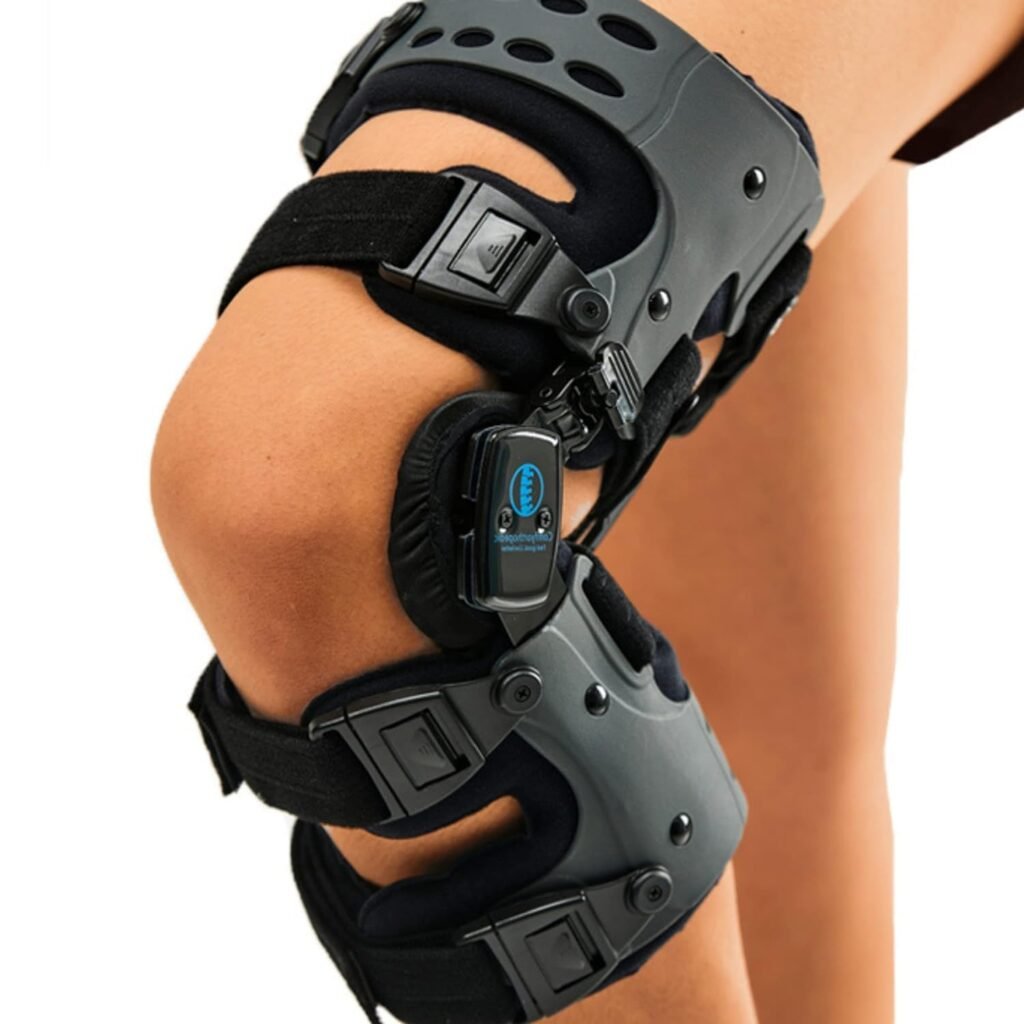
Albrecht PCL Jack
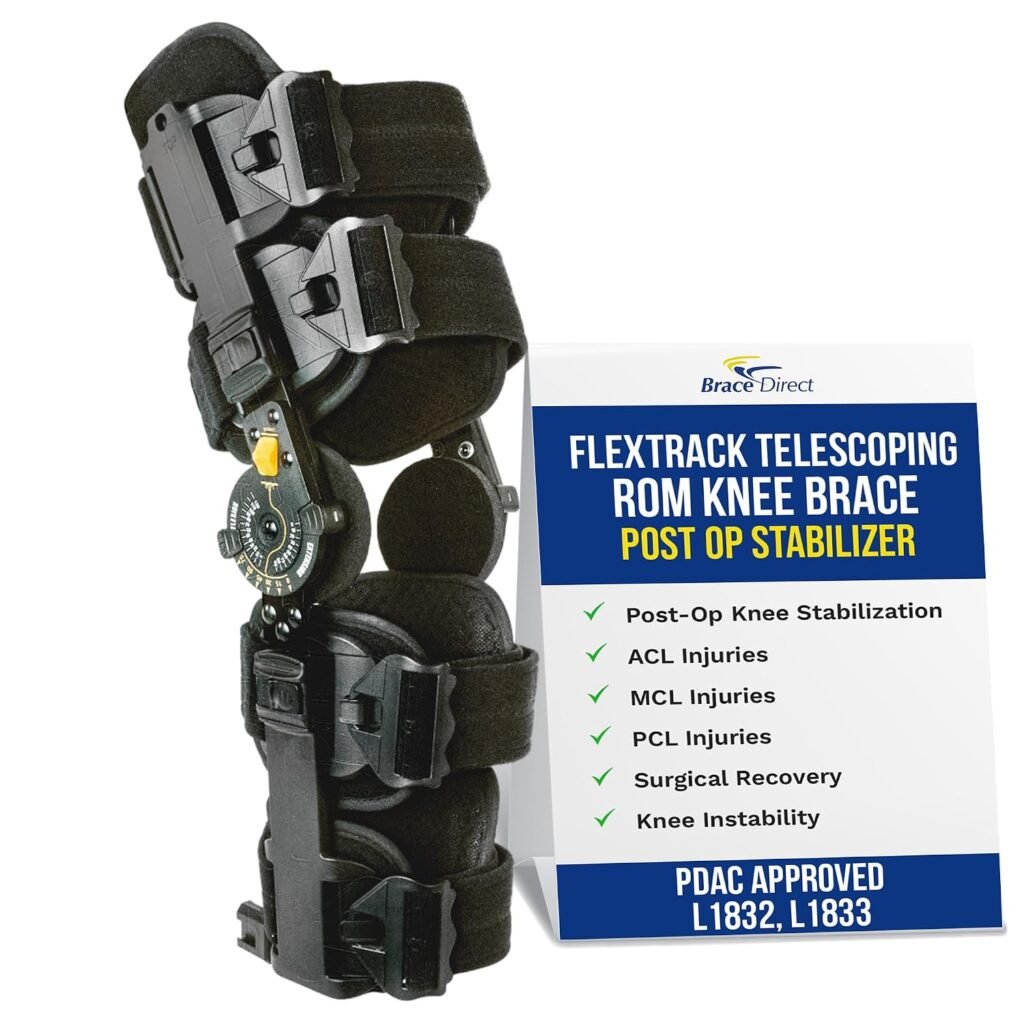
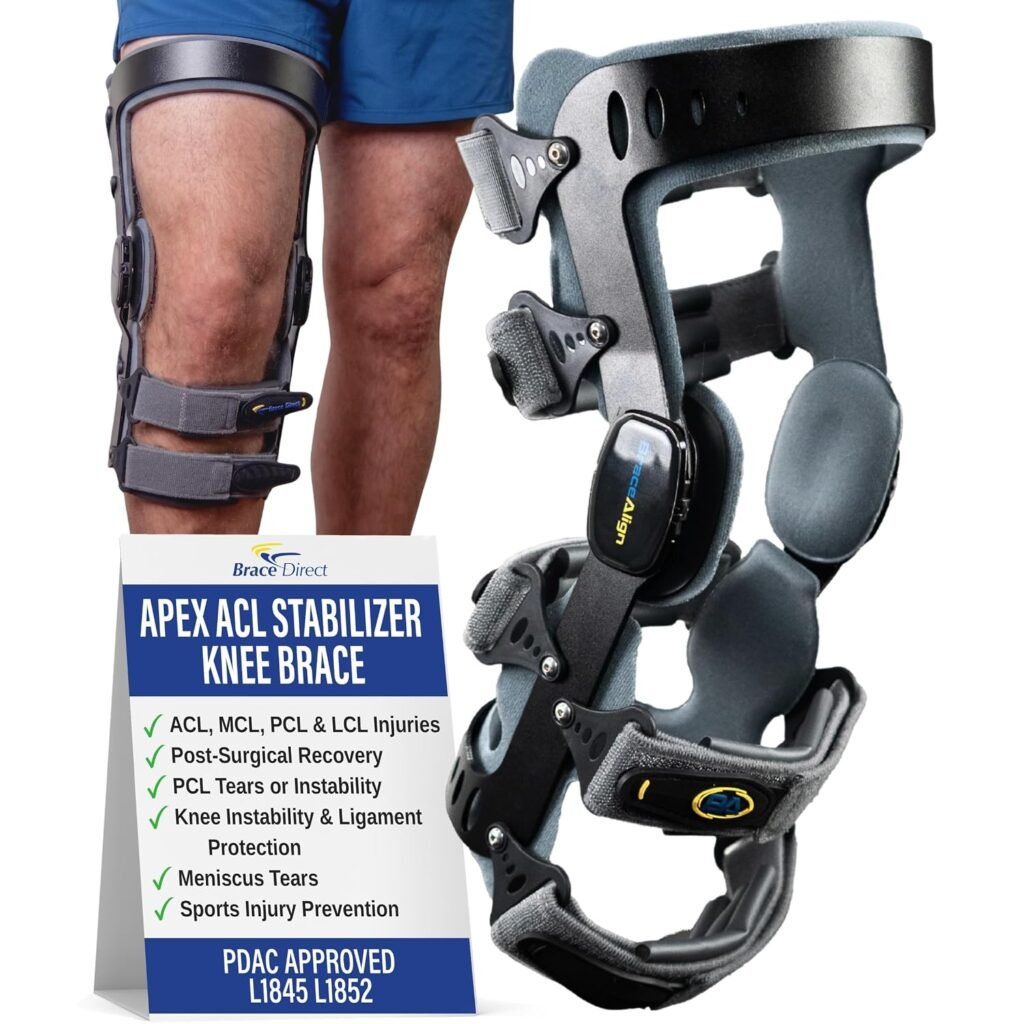
DonJoy Armor Knee Brace
Ossur Rebound Post-Op ROM
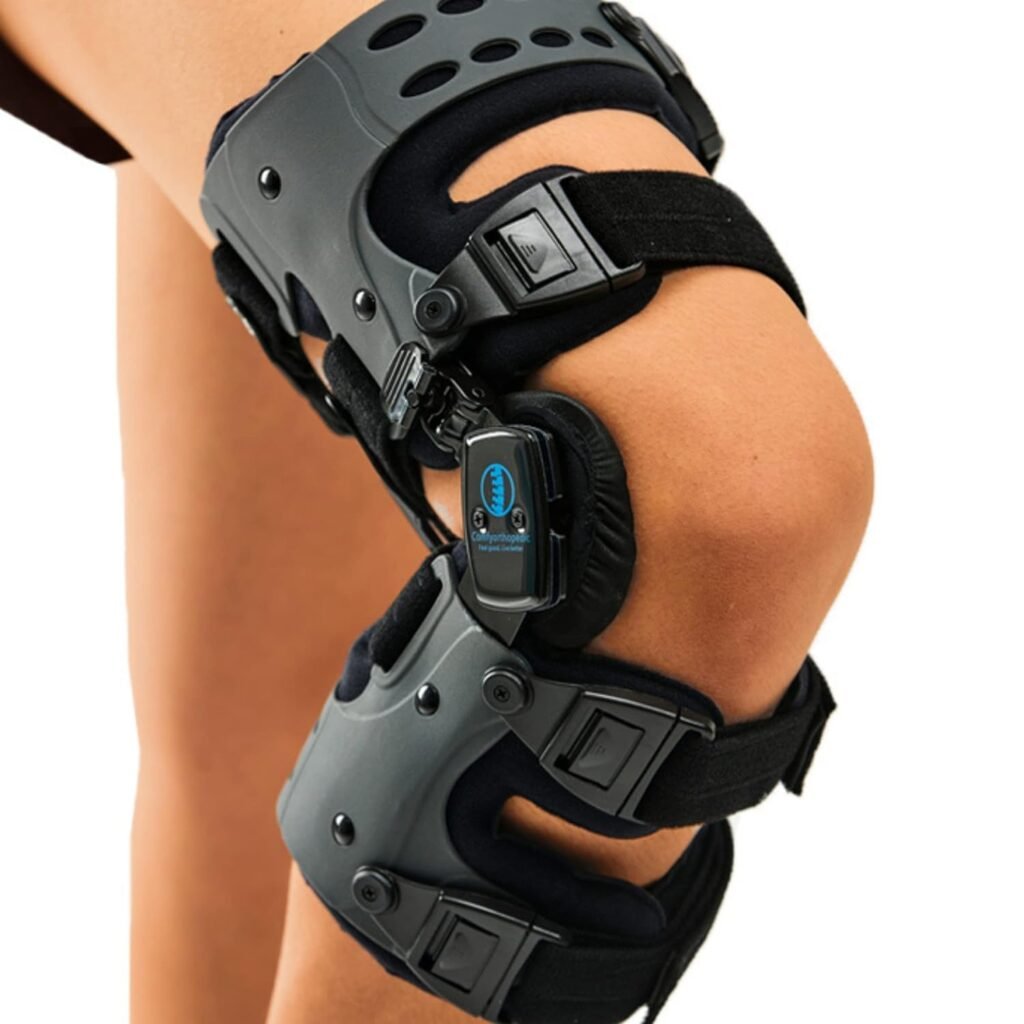
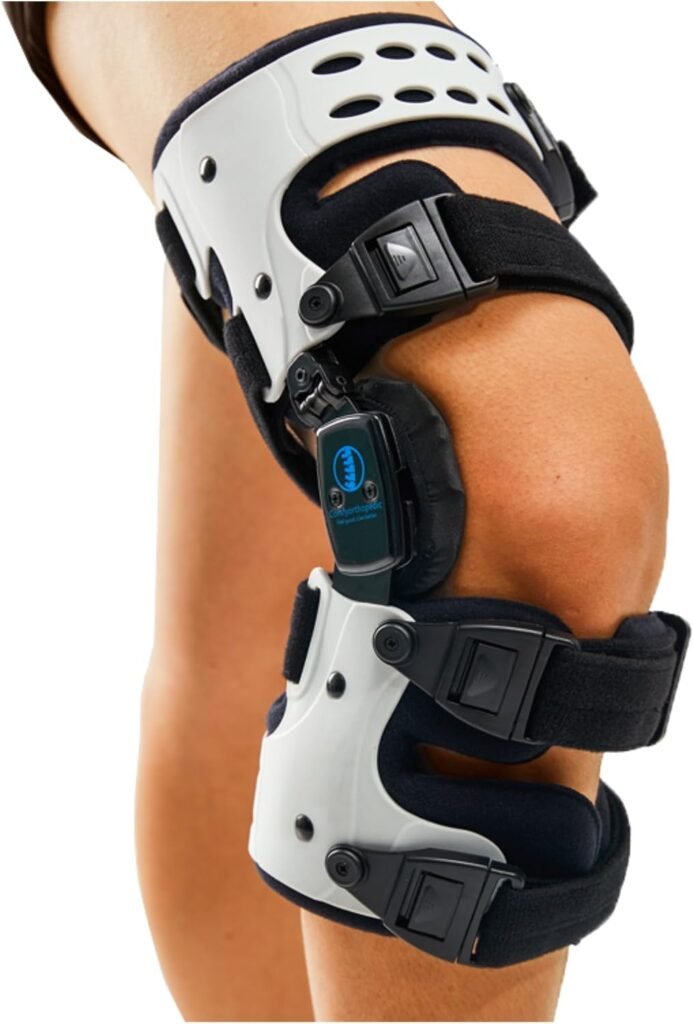
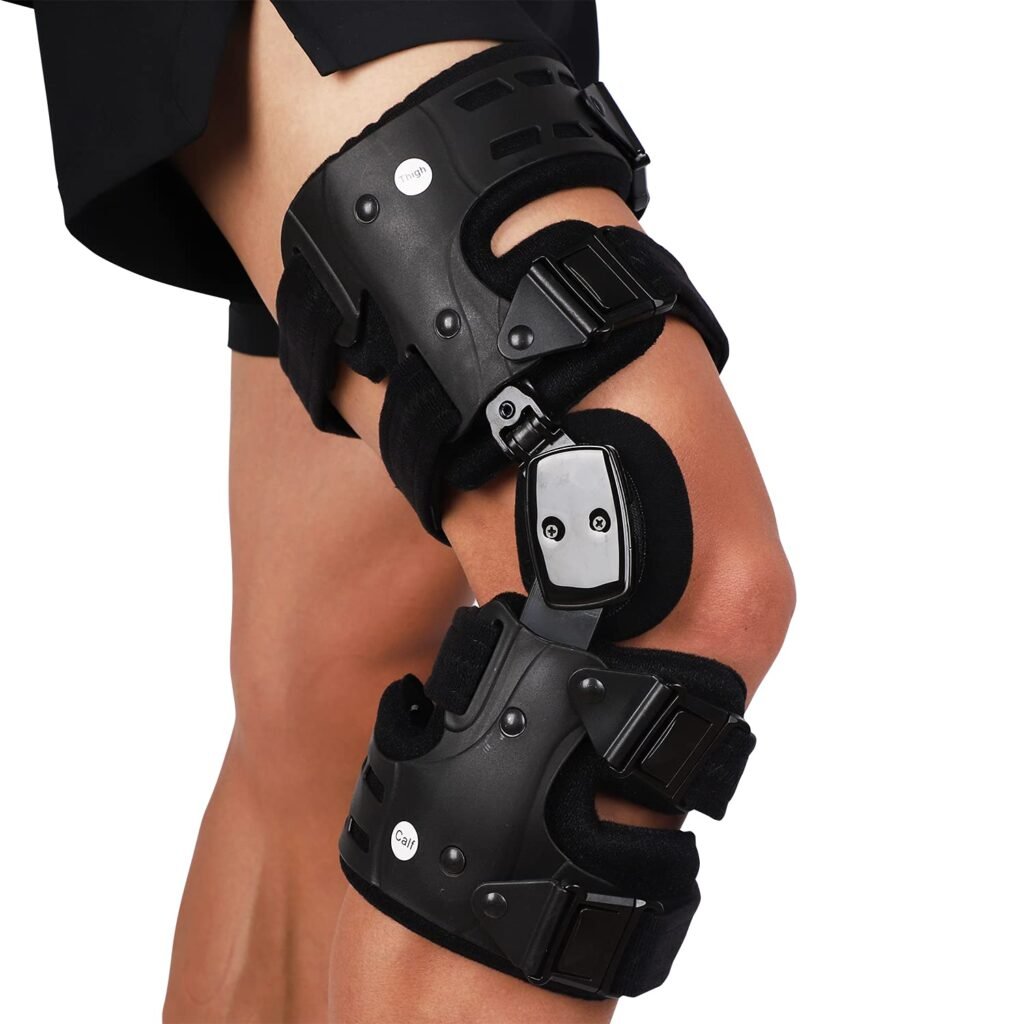
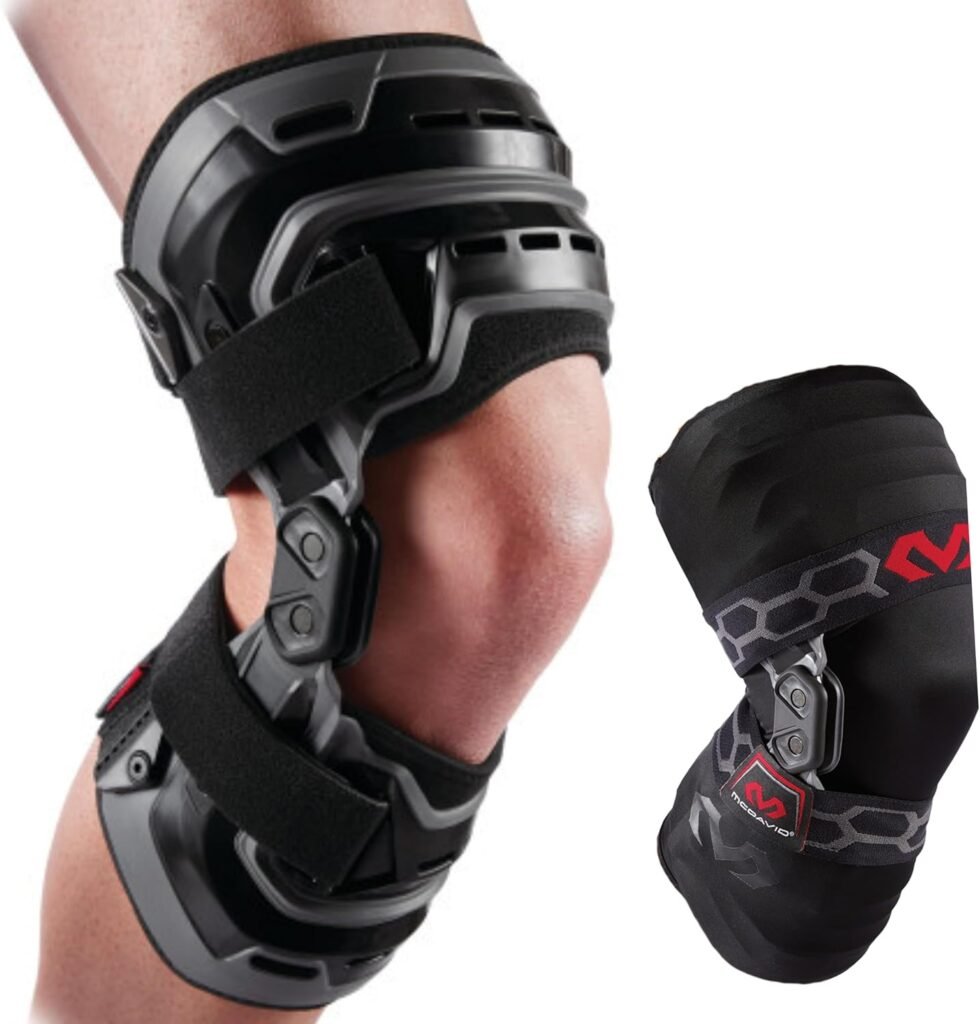
DonJoy X-ACT ROM
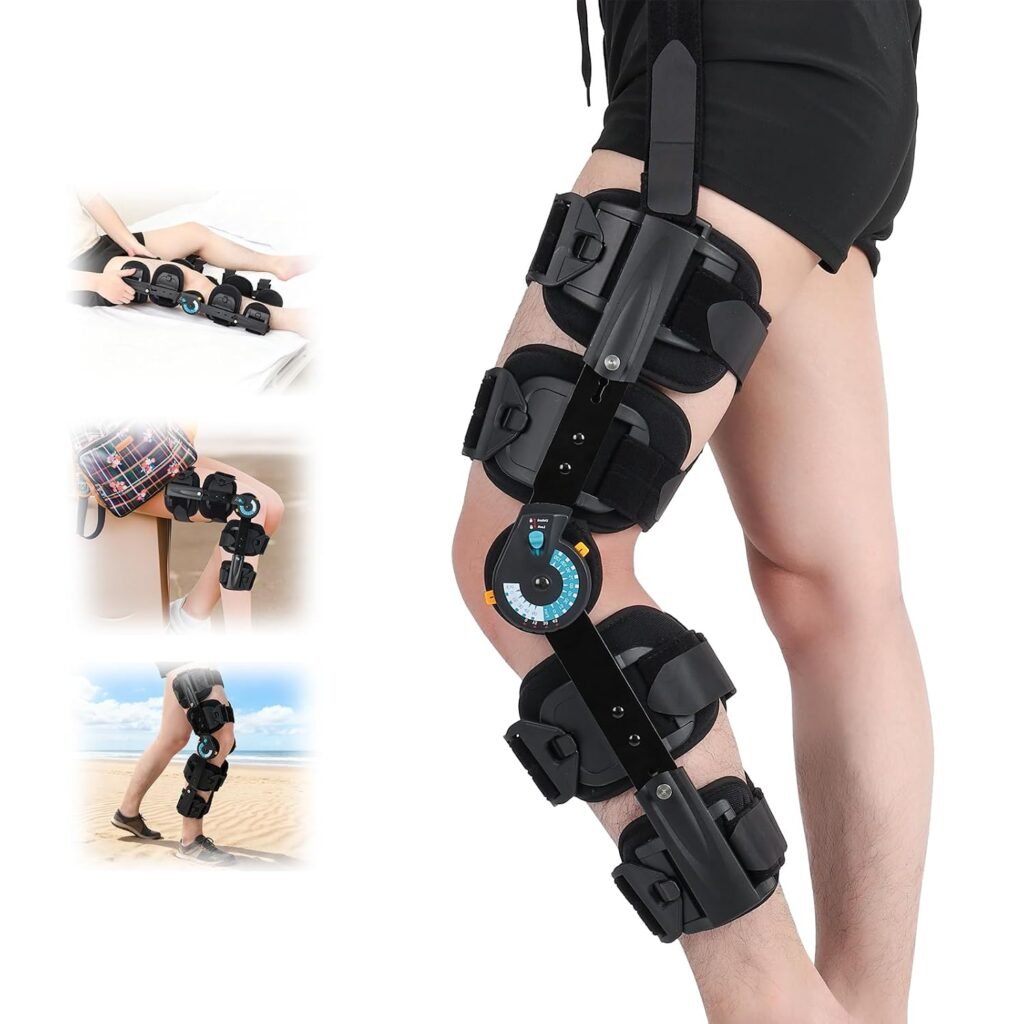
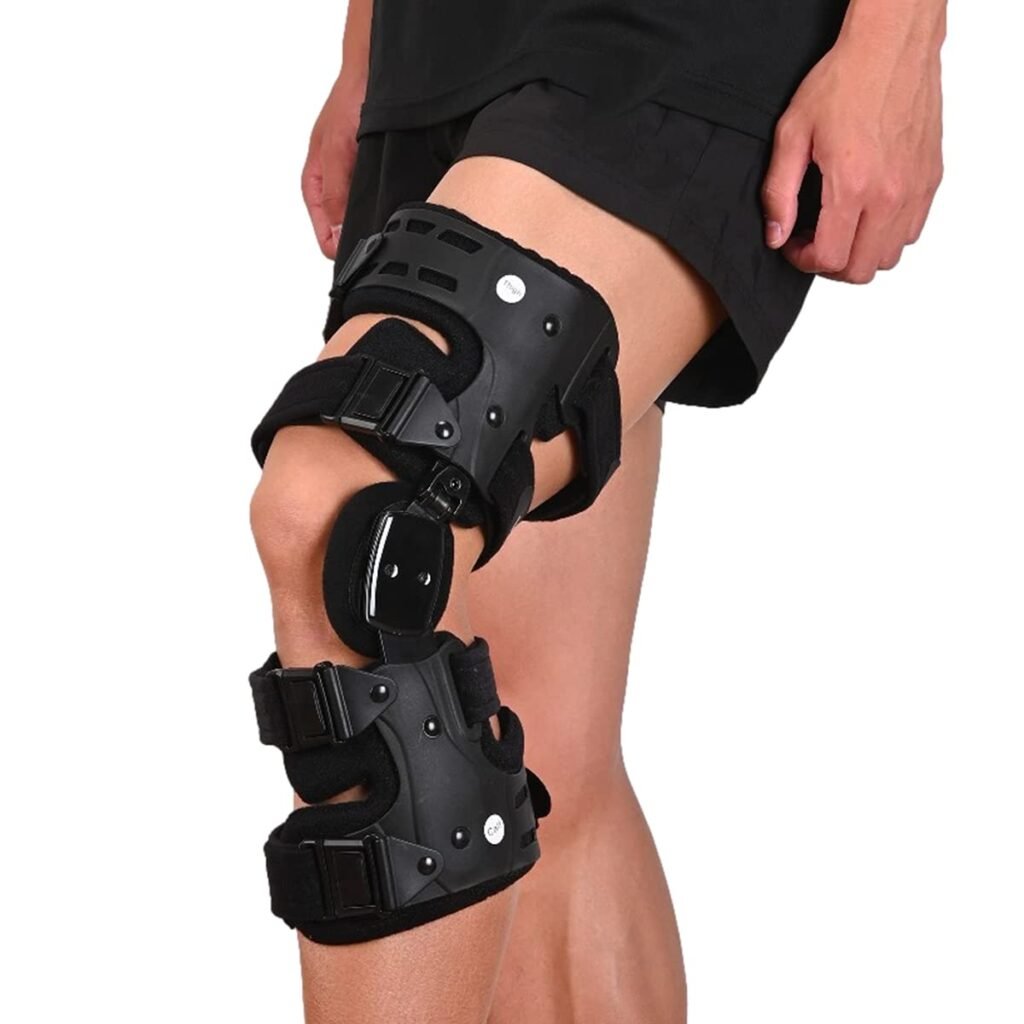
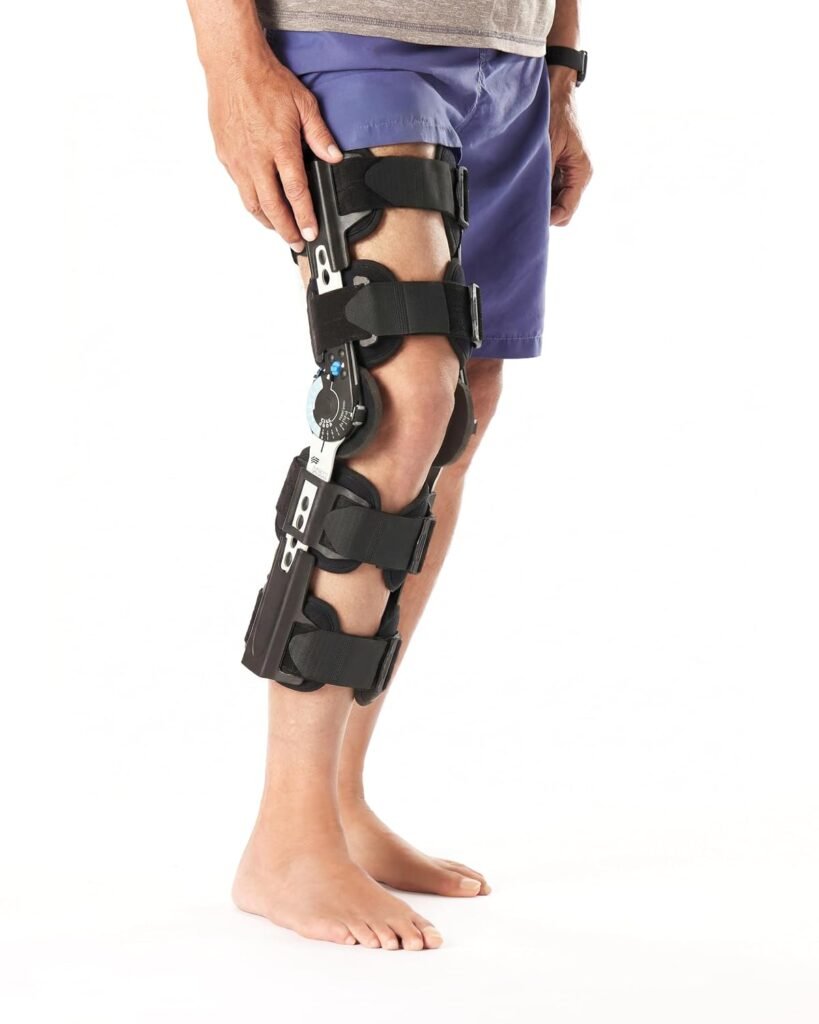
Ossur Rebound PCL
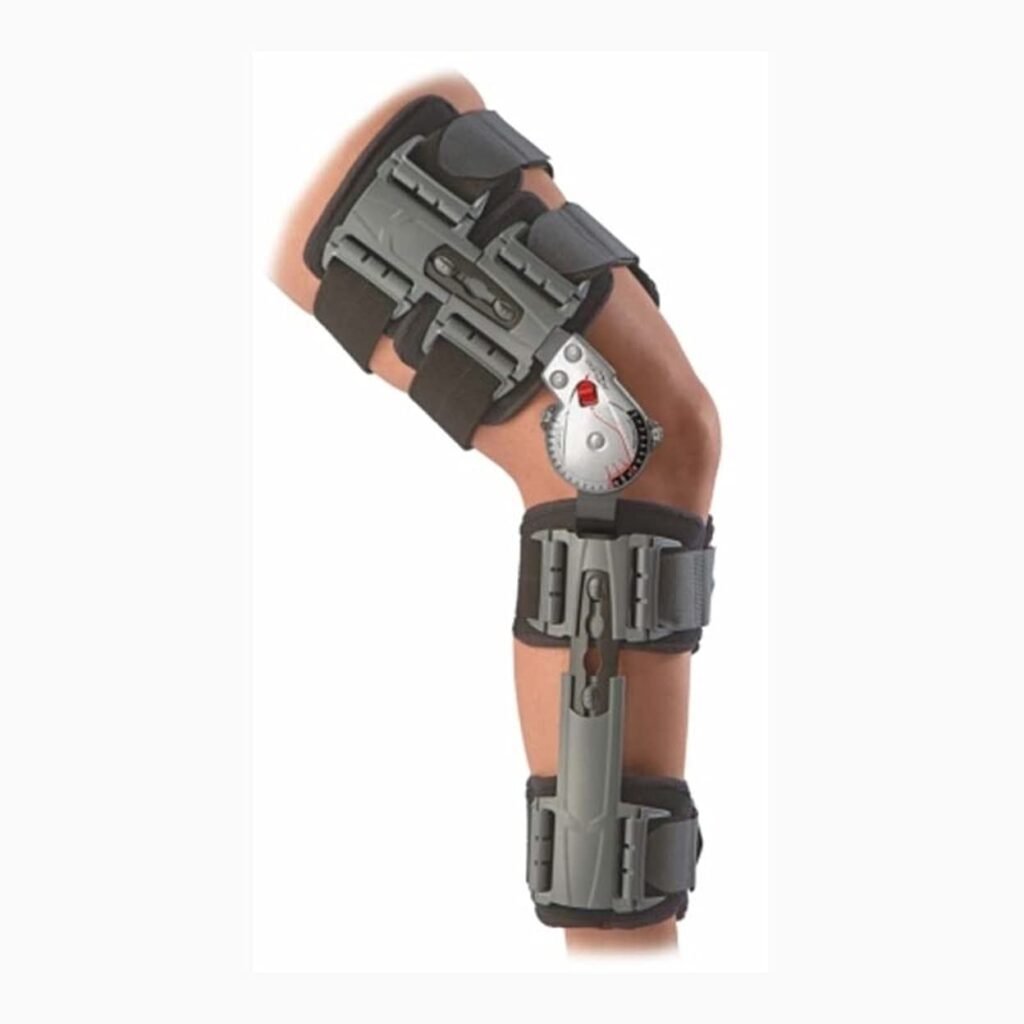
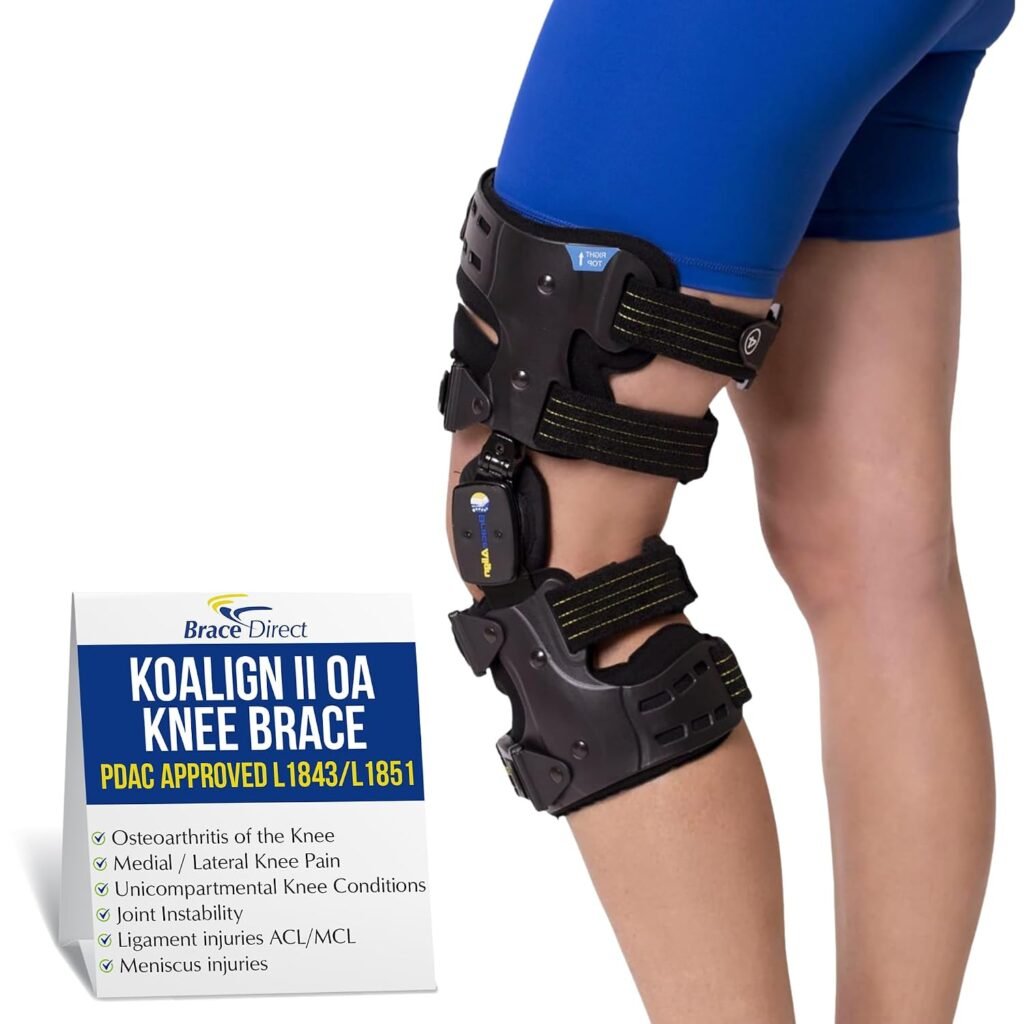
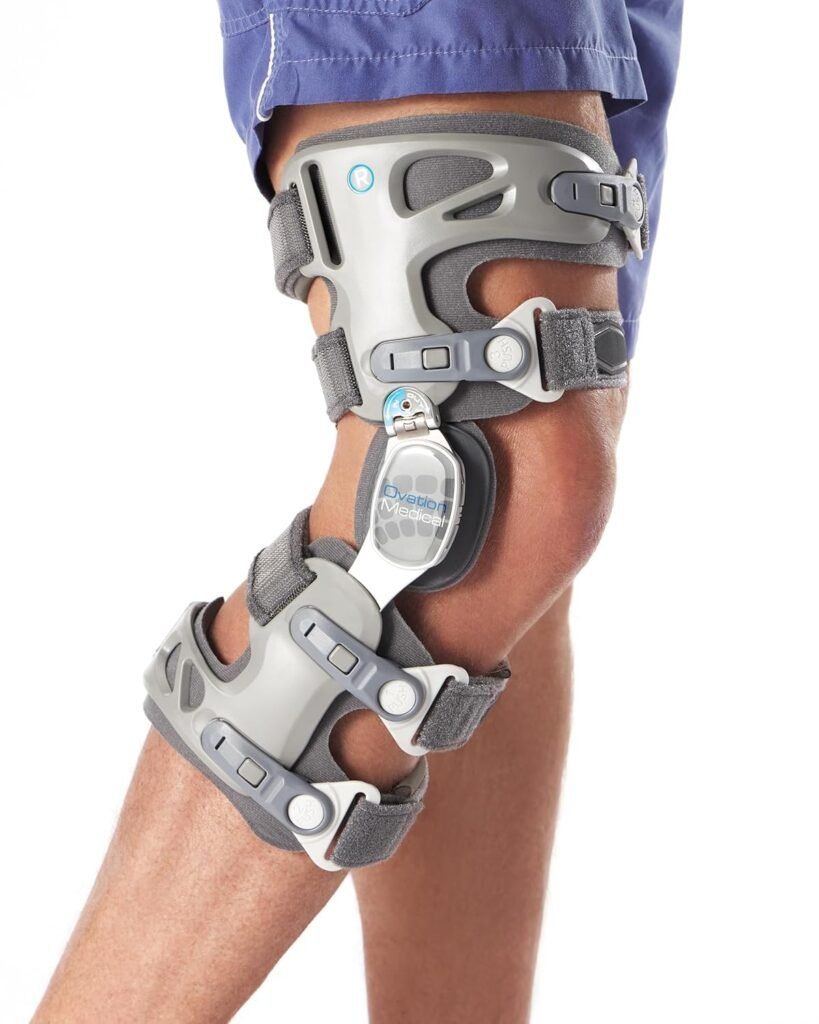
The Rebound PCL isn’t a general-purpose knee brace adapted for PCL injuries — it’s built specifically around one job: applying the physiologically correct dynamic force needed for PCL healing. Its Dynamic Tension System generates an anterior-directed force on the tibia that increases as the knee flexes, which is exactly the loading pattern PCL research points to.
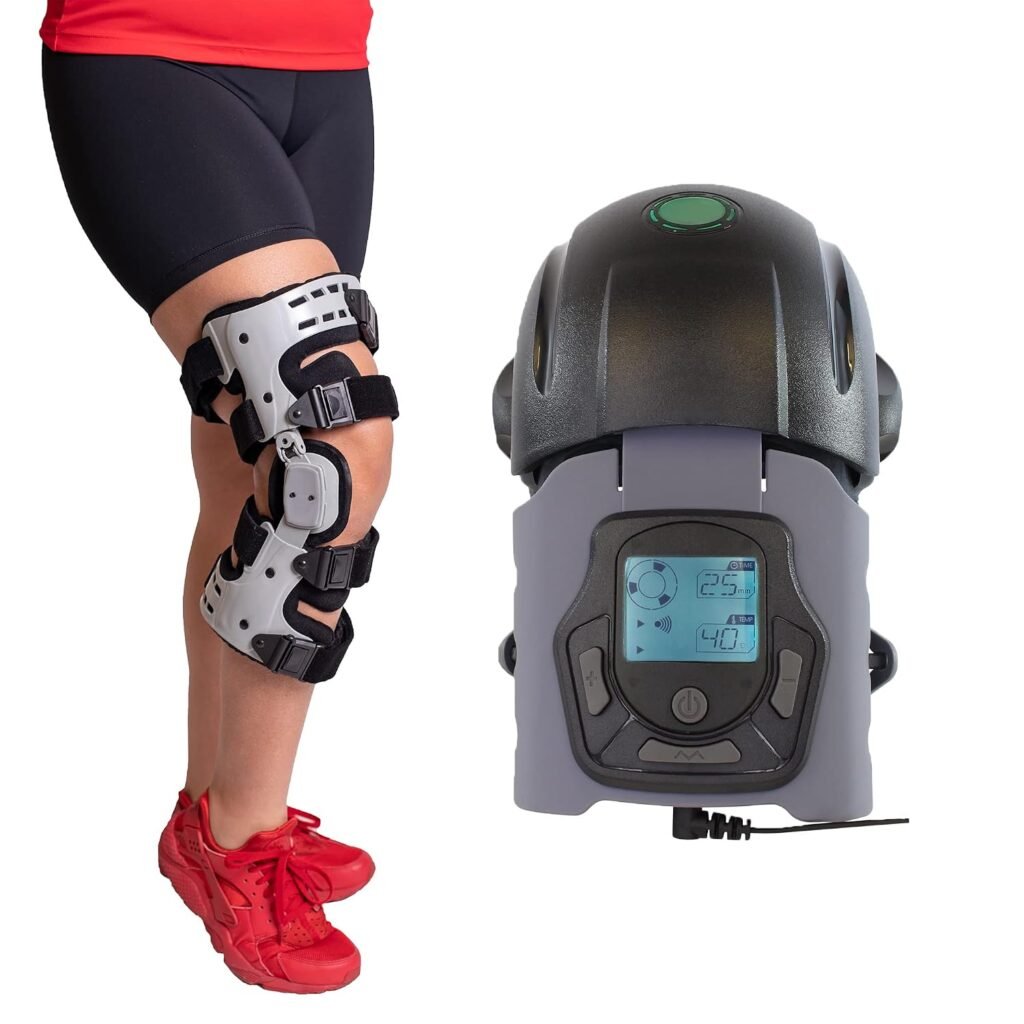
- Dynamic Tension System (DTS) applies anterior tibial force during rehab
- Three shear knob settings to customize posterior tibial load per patient
- Polycentric hinge with extension and flexion stops for ROM control
- Sensil silicone calf liner and doeskin thigh liner to reduce migration
- Lightweight, breathable Cooltech fabric construction
Best For: Patients in active rehab for a Grade II or III PCL injury who need a brace engineered specifically for PCL biomechanics, not adapted from a general ligament brace.
Watch Out For: This is a clinical-grade brace that typically requires professional fitting — it’s not the kind of product you should size yourself without guidance from your provider.
Pros:
- Purpose-built for PCL mechanics rather than a general multi-ligament design
- Adjustable shear knobs allow fine-tuning as swelling changes during recovery
- Backed by Ossur’s established orthopedic brace reputation
Cons:
- Requires professional fitting, which adds cost and an extra appointment
- Premium pricing compared to general hinged knee braces
Albrecht PCL Jack (Dynamic Force PCL Brace)
The PCL Jack occupies a similar niche to the Rebound PCL — a dynamic force brace purpose-built for acute PCL recovery — and it’s frequently cited alongside Ossur’s design in clinical comparisons of PCL-specific bracing.
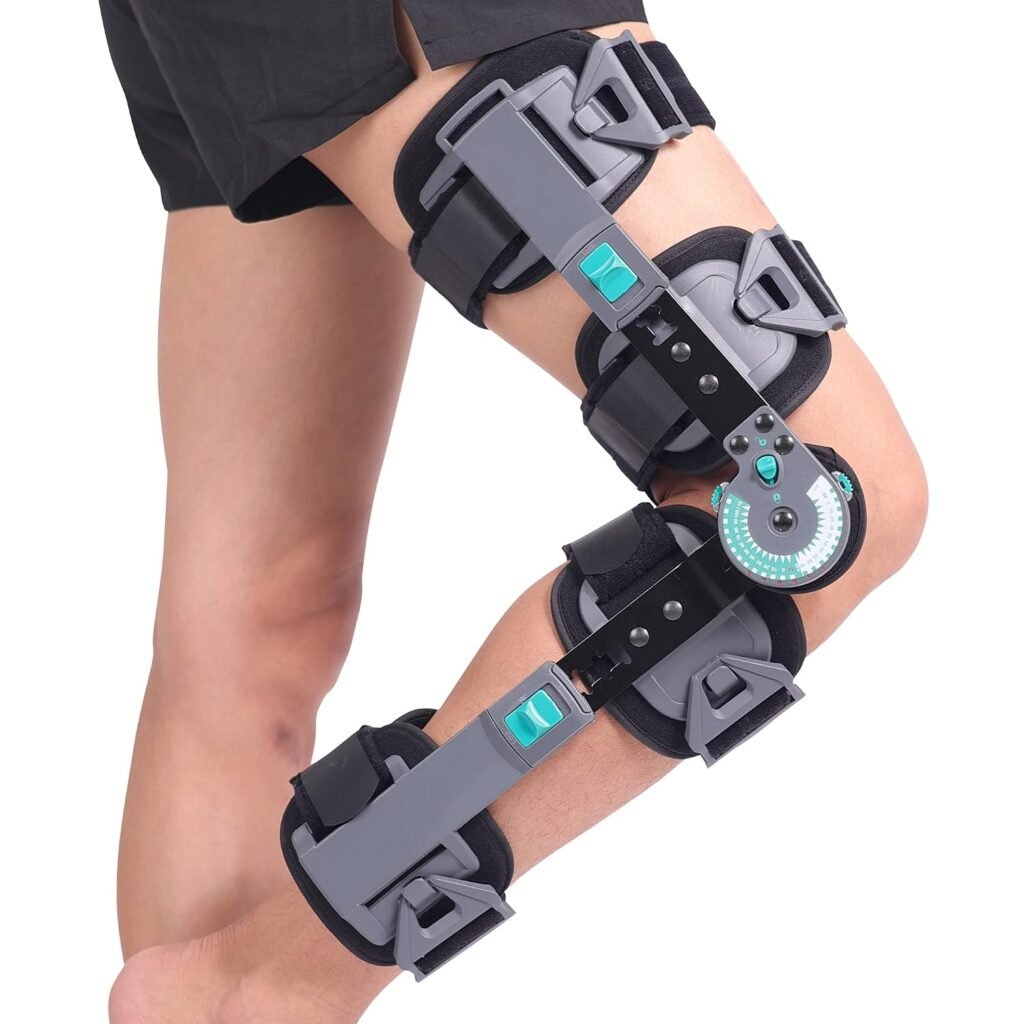
- Applies active anterior force specifically calibrated for PCL loading
- Positioned for Grade II and III acute-phase PCL injuries
- FDA-cleared design used in post-operative and conservative recovery protocols
- Typically fitted through orthopedic clinics rather than sold as an off-the-shelf product
Best For: Patients in the acute phase of a more severe PCL tear who want a brace with a specific clinical evidence base behind its design.
Watch Out For: Like the Rebound PCL, this sits at the high end of the price range and usually needs to go through an orthopedic clinic rather than a direct online purchase.
Pros:
- Clinically studied specifically for PCL healing forces, not just general ligament support
- Used in established post-operative recovery protocols
- FDA-cleared for medical use
Cons:
- High cost, often requiring insurance coverage to be practical
- Less accessible for direct purchase compared to consumer-facing braces
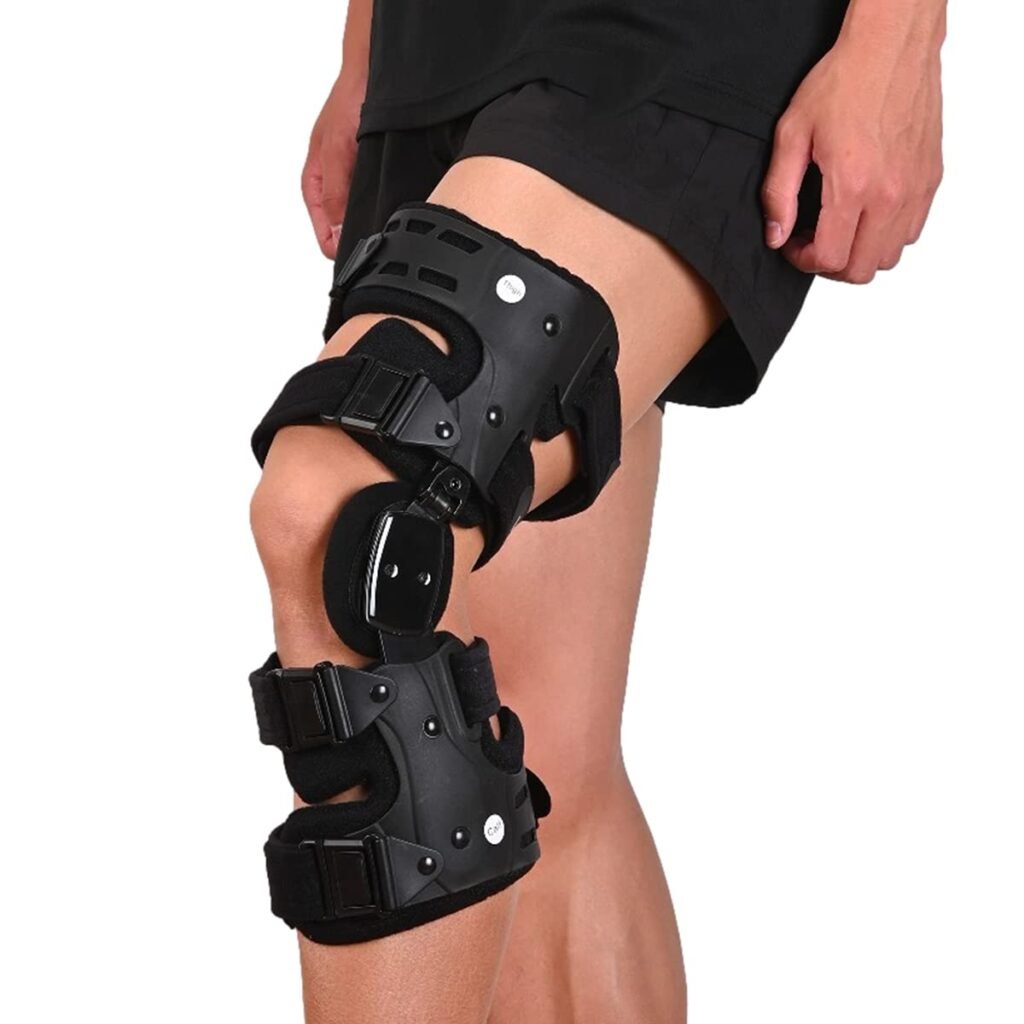
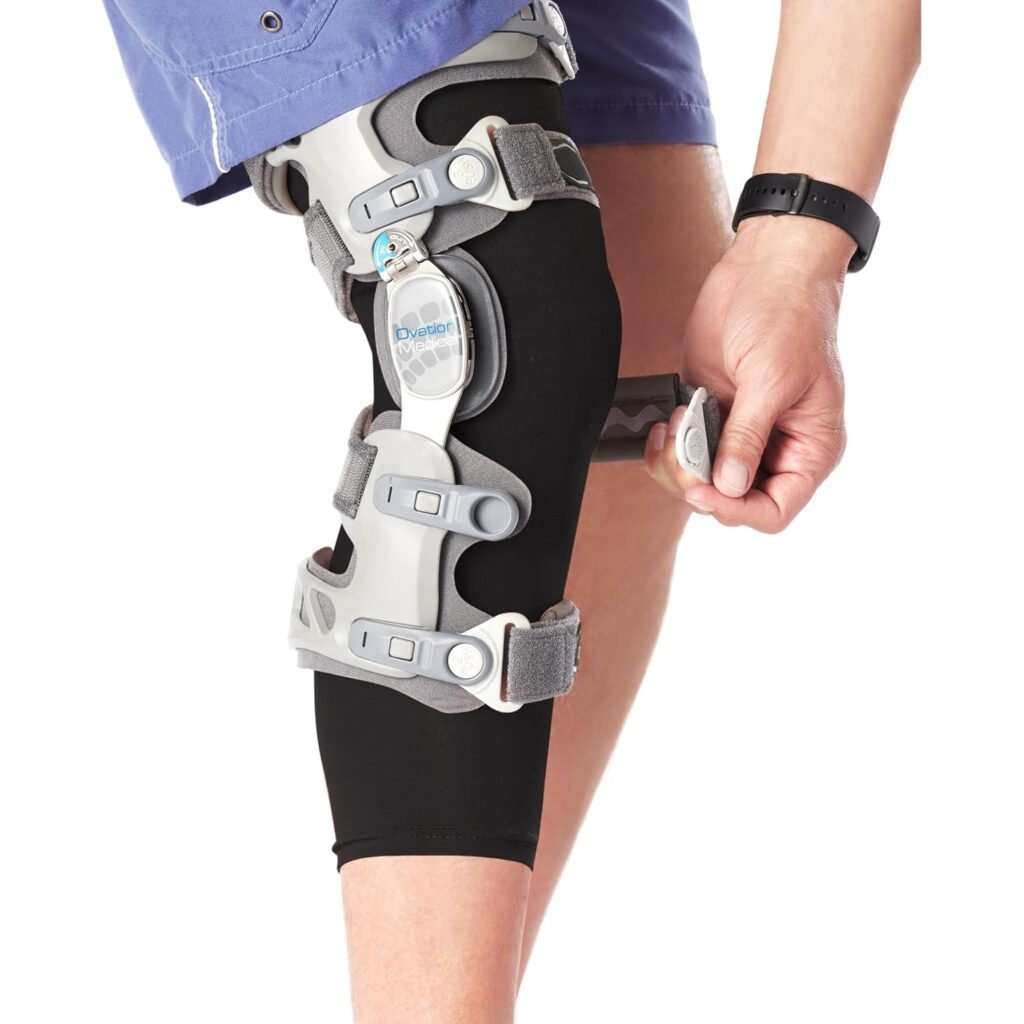
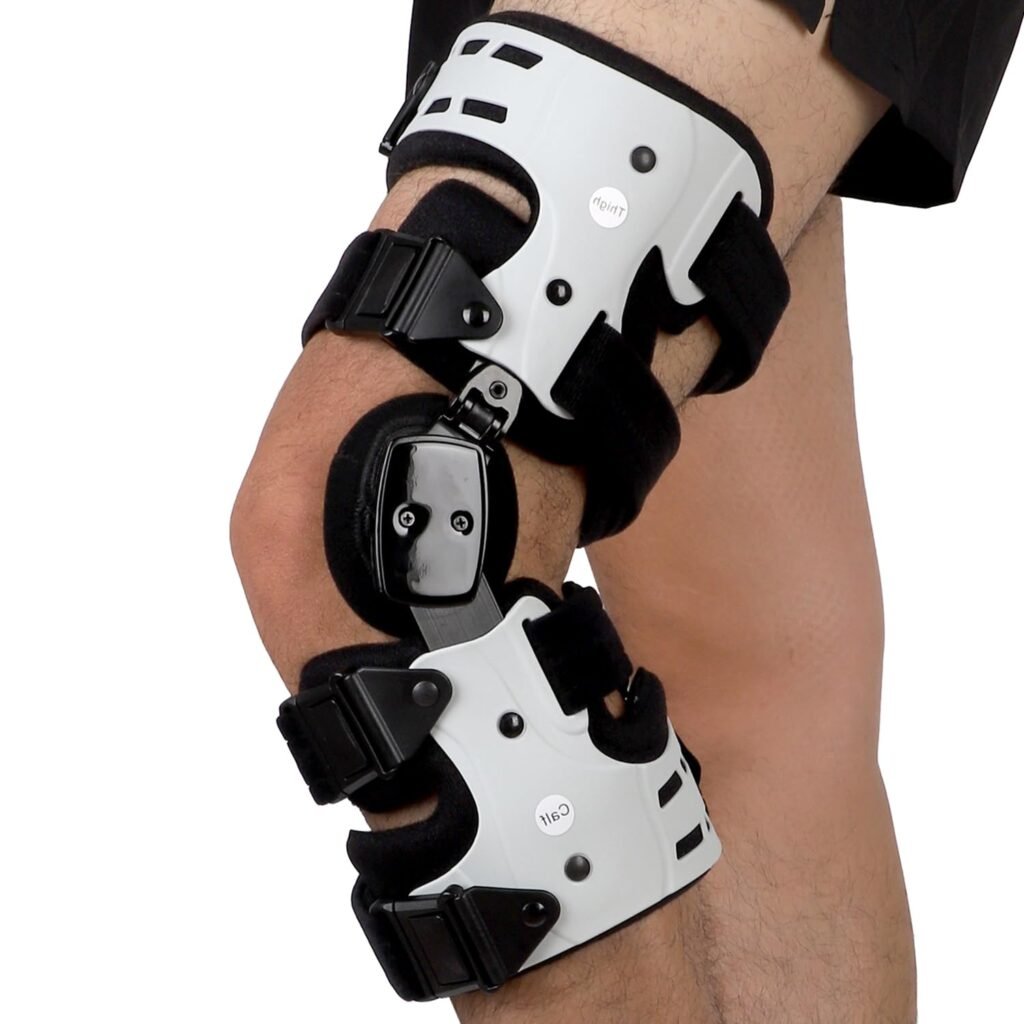
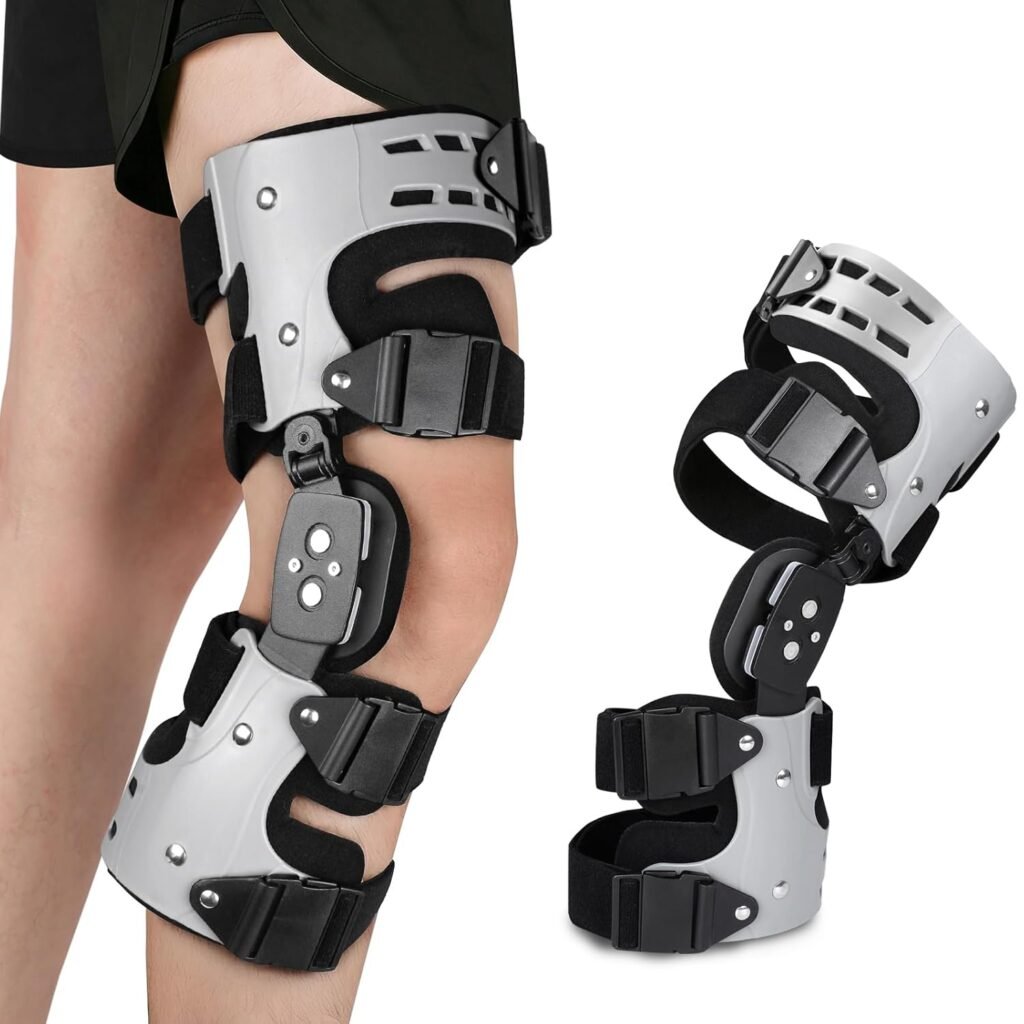
DonJoy Armor Knee Brace
The Armor is DonJoy’s flagship functional brace, and it’s frequently recommended with PCL strapping added for patients whose PCL involvement is part of a broader multi-ligament instability rather than an isolated tear.
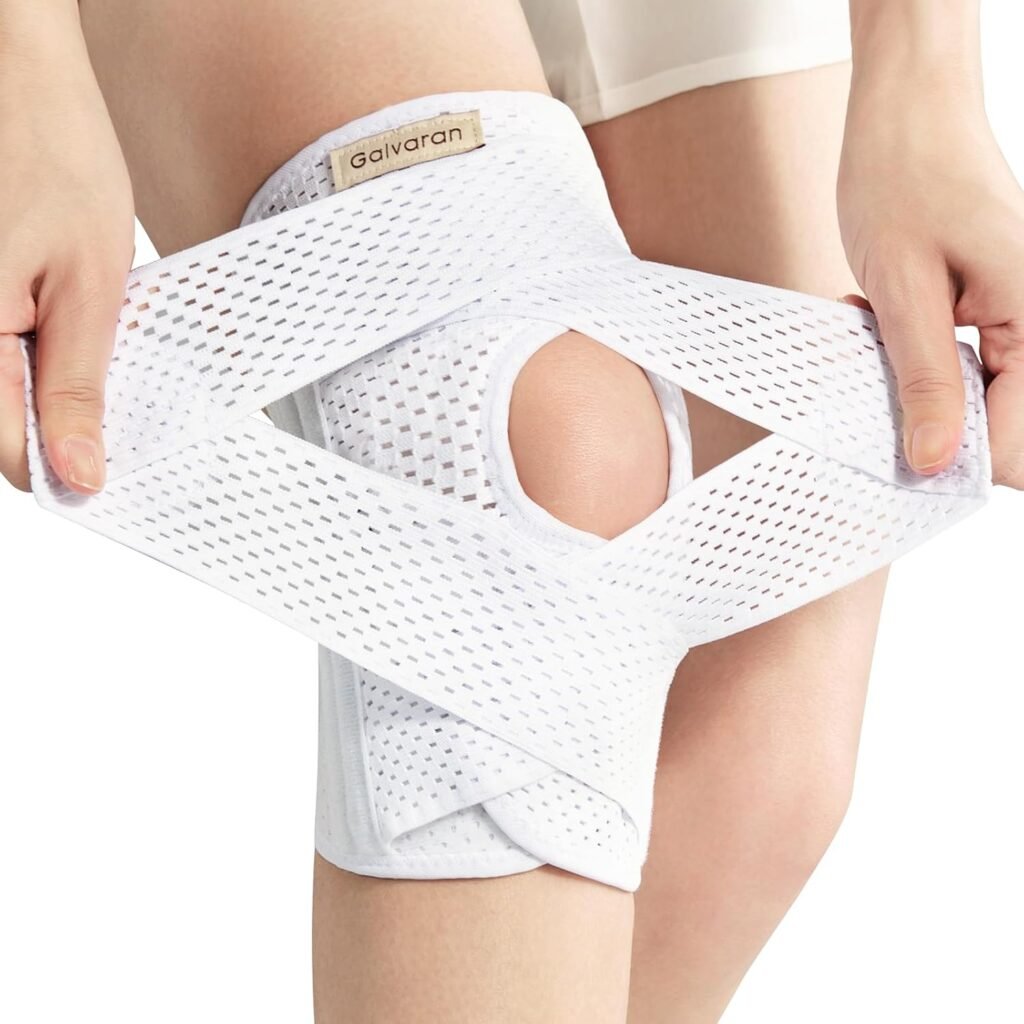
- Standard hinge configuration with PCL-specific strapping option
- Rated for ACL, PCL, MCL, and LCL instabilities
- 4-Points-of-Leverage design for rotational control
- Durable frame built for return to higher-demand activity
Best For: Patients whose knee instability involves the PCL alongside other ligaments, not an isolated PCL-only injury.
Watch Out For: Because it’s a general multi-ligament brace with PCL strapping added, it doesn’t apply the same purpose-built dynamic force as the Rebound PCL or PCL Jack — better suited to broader stability than acute PCL-specific loading.
Pros:
- Versatile enough to handle combined ligament instabilities
- Well-established brand with a long track record in sports medicine
- Durable construction suited to higher activity levels
Cons:
- Not purpose-built for isolated PCL mechanics the way dedicated PCL braces are
- Bulkier profile than lighter post-op or support braces
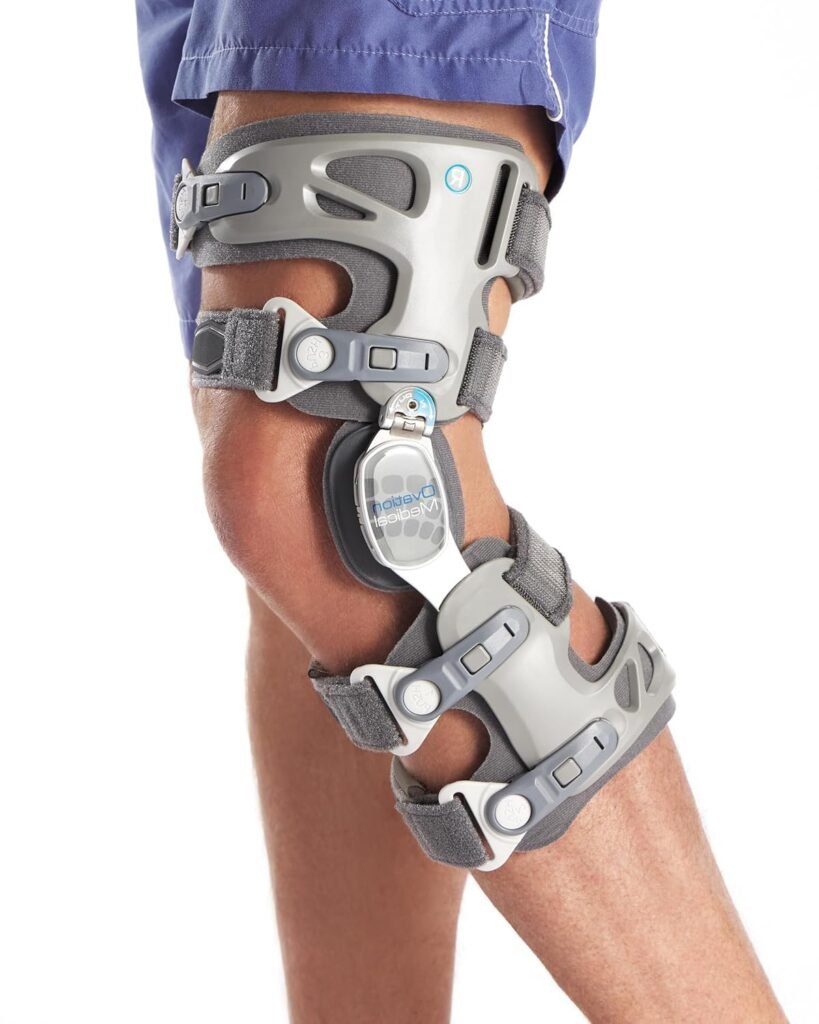
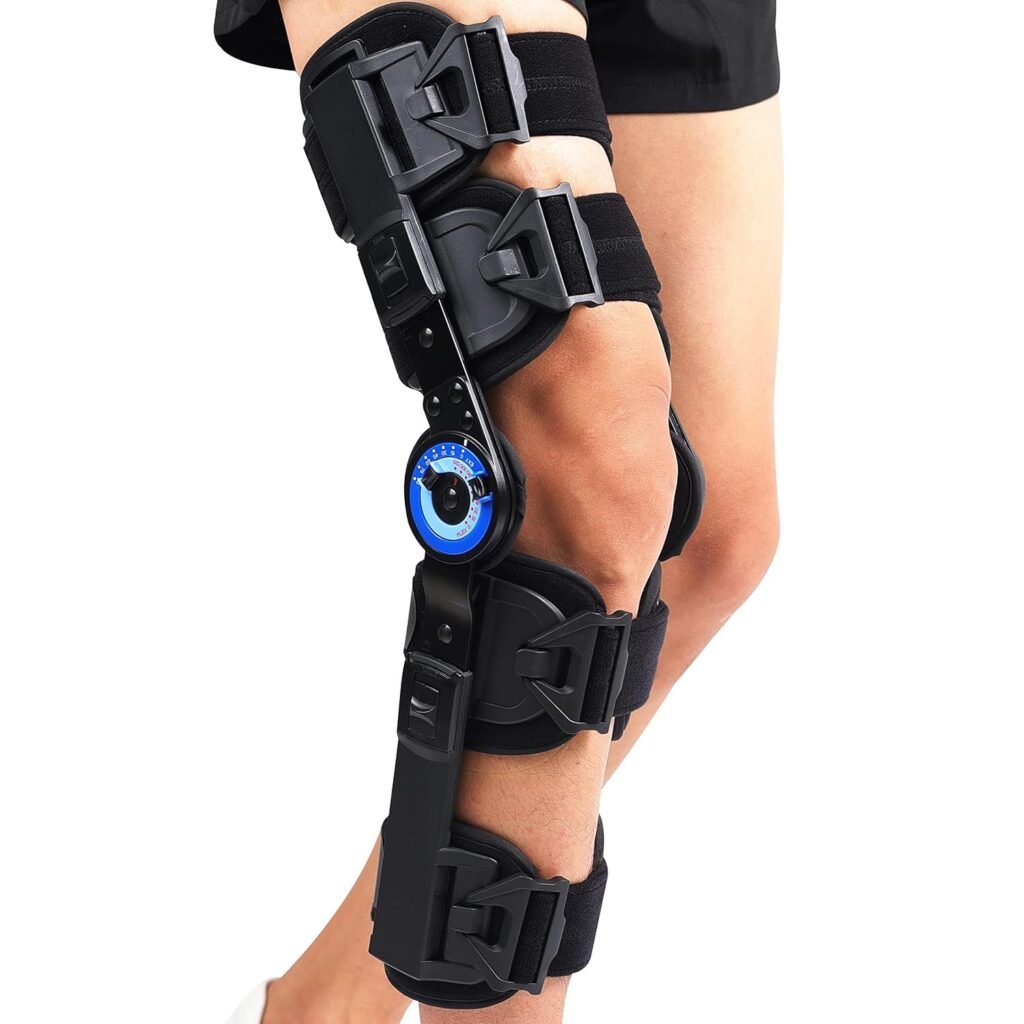
Ossur Rebound Post-Op ROM Hinged Knee Brace
For patients coming out of PCL surgery, the priority shifts from dynamic force to controlled, gradual range of motion. The Rebound Post-Op is built around exactly that — a telescoping frame with adjustable ROM stops that a surgeon can tighten or loosen as recovery progresses.
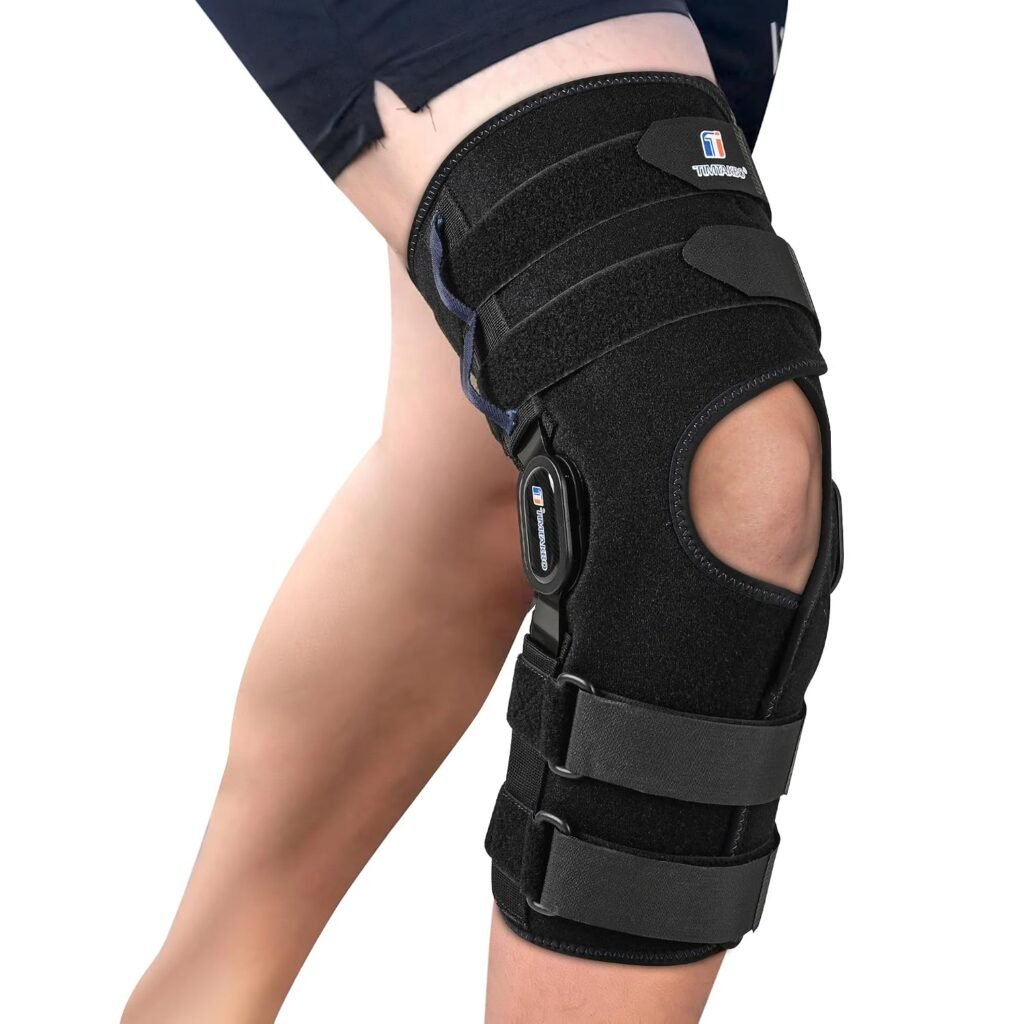
- Adjustable extension and flexion stops for controlled ROM
- Telescoping frame accommodates changes in swelling and leg shape post-surgery
- Clinically indicated for ACL reconstruction, PCL repair, and related procedures
- Designed for use in the immediate weeks following surgery
Best For: The early post-operative period following PCL repair, when the goal is protecting the surgical site while gradually restoring motion.
Watch Out For: This brace is built for post-op protection, not for return-to-sport dynamic loading — most patients transition to a different brace once early healing is complete.
Pros:
- Precise ROM adjustability supports a phased recovery protocol
- Comfortable for extended daily wear during early recovery
- Widely used and trusted in orthopedic post-surgical settings
Cons:
- Not designed for the later, more active phases of rehab
- Typically a temporary brace you’ll need to replace as you progress
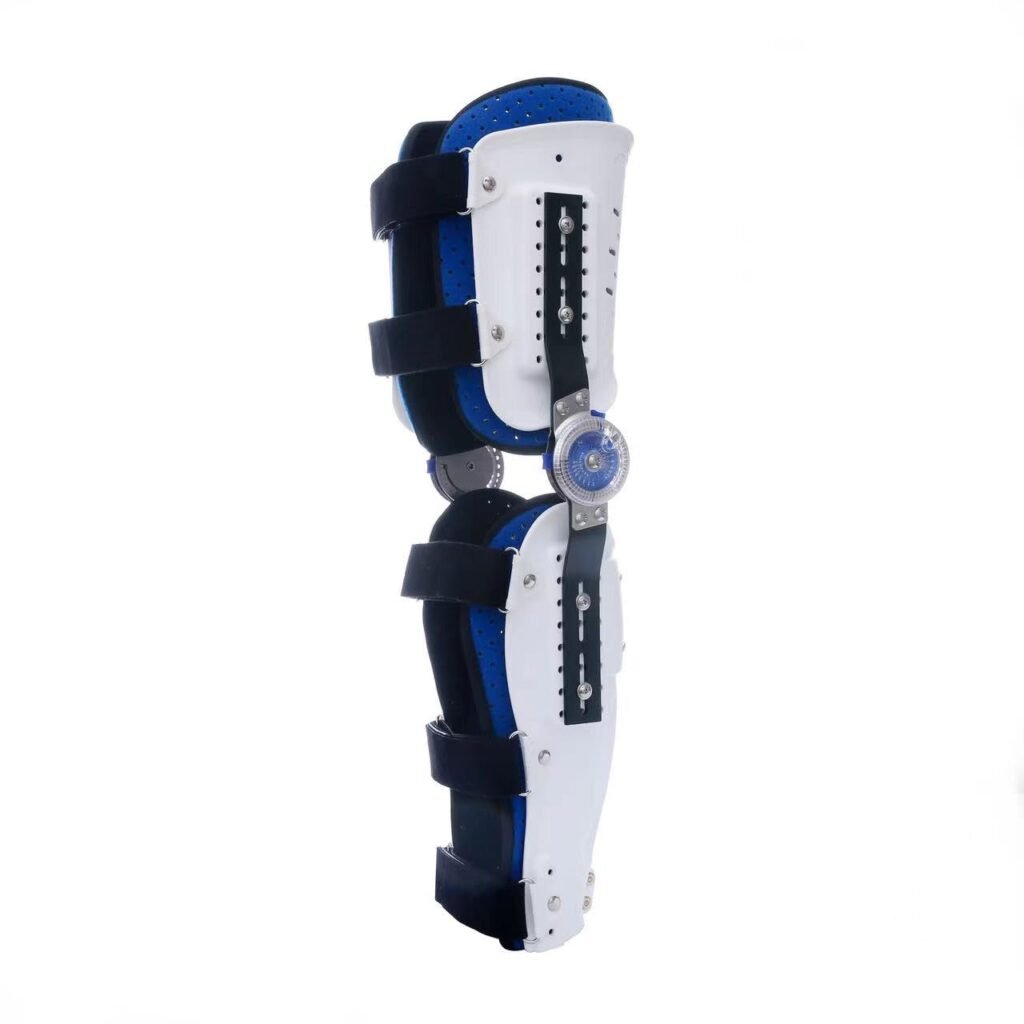
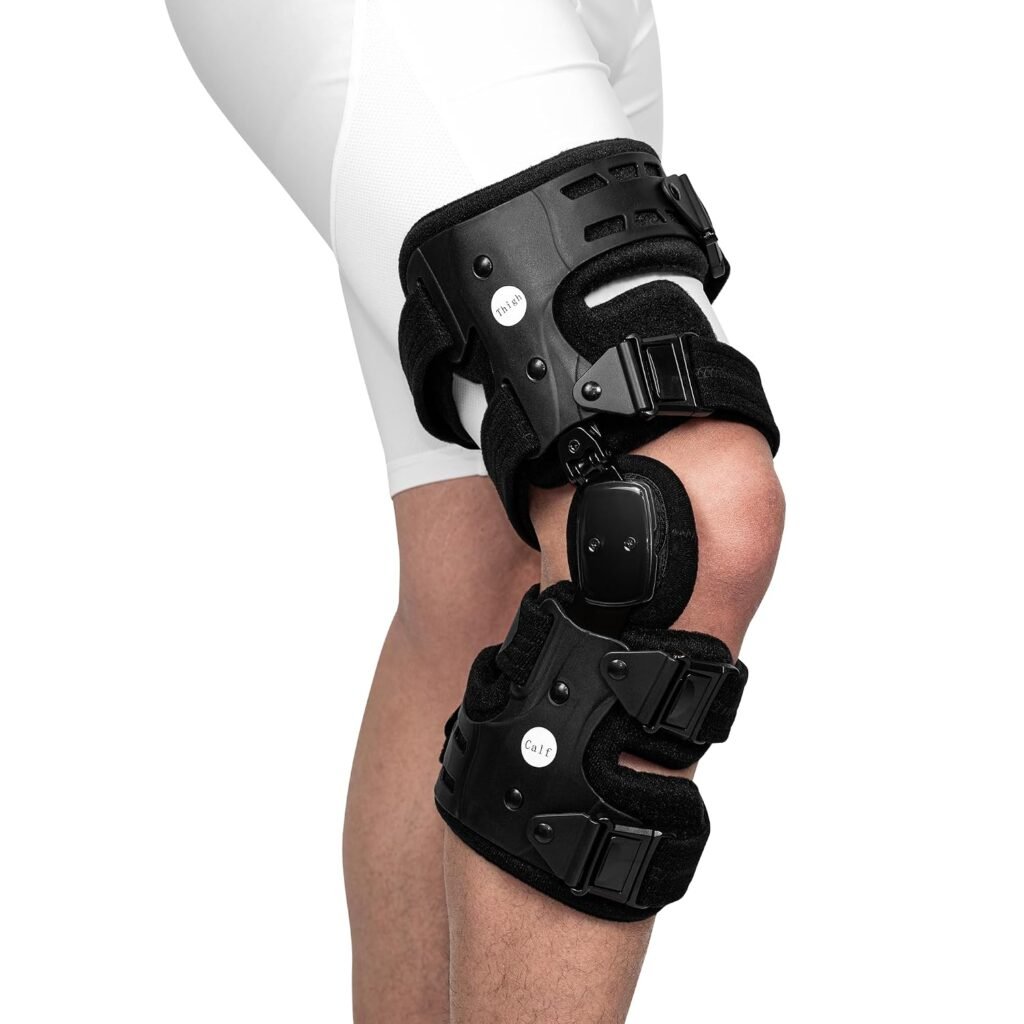
DonJoy X-ACT ROM
The X-ACT ROM covers similar ground to the Rebound Post-Op — early post-surgical PCL protection — and is one of the more commonly prescribed alternatives when a surgeon’s preferred protocol calls for a DonJoy device.
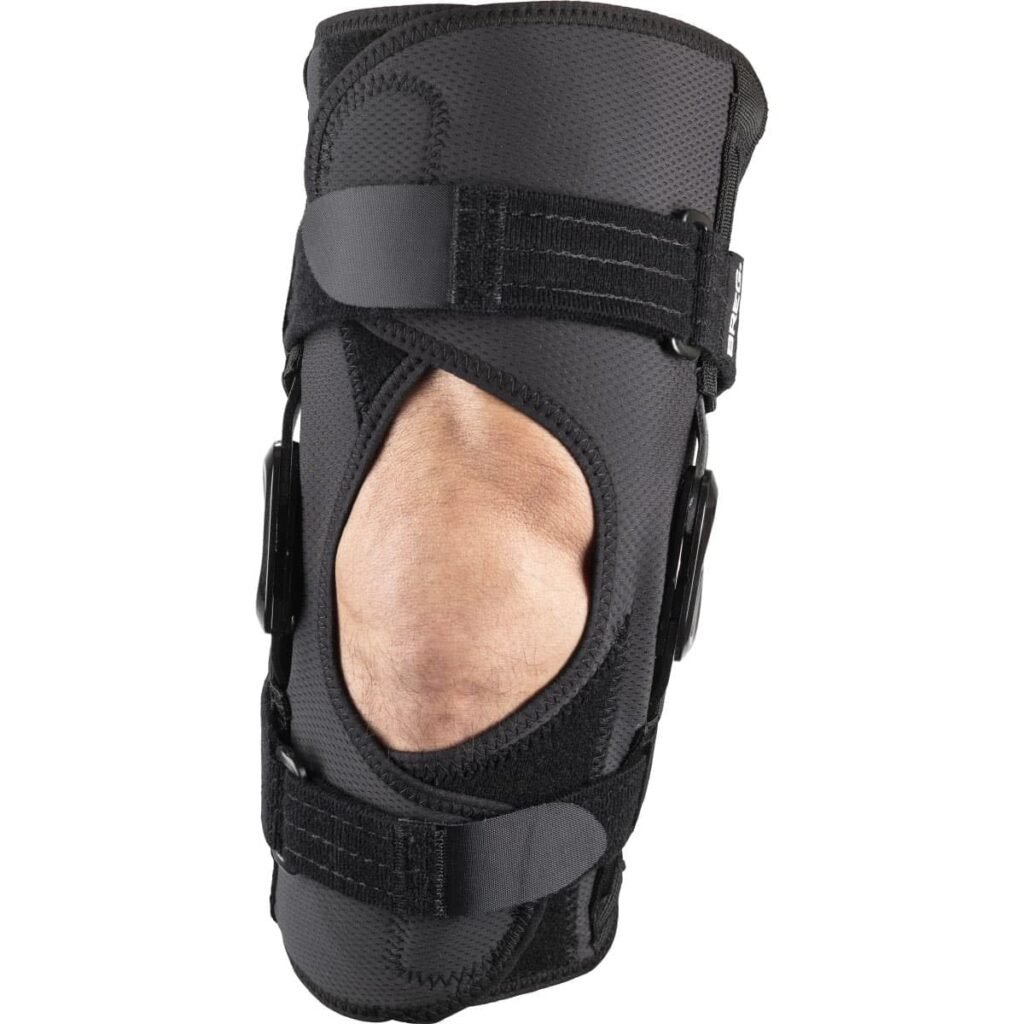
- Precision ROM hinge for controlled early-stage motion
- Designed specifically for the early post-surgery window
- Adjustable fit to accommodate post-surgical swelling changes
- Frequently paired with a transition brace later in recovery
Best For: Patients whose surgeon or clinic specifically prescribes DonJoy’s post-op line for early PCL recovery.
Watch Out For: As with any early post-op brace, this isn’t meant for long-term use — plan on transitioning to a different brace as your rehab protocol advances.
Pros:
- Purpose-built for the earliest, most vulnerable recovery phase
- Established DonJoy reliability in post-surgical settings
- Adjustable design accommodates changing swelling levels
Cons:
- Short intended usage window before transitioning to another brace
- Less suited to patients who aren’t post-surgical
Aspen ROM Knee Brace
Not every PCL brace need is acute or post-surgical. The Aspen ROM fills the return-to-activity gap — support and prevention for someone who has recovered from an initial PCL injury and wants protection against re-injury during physical activity.
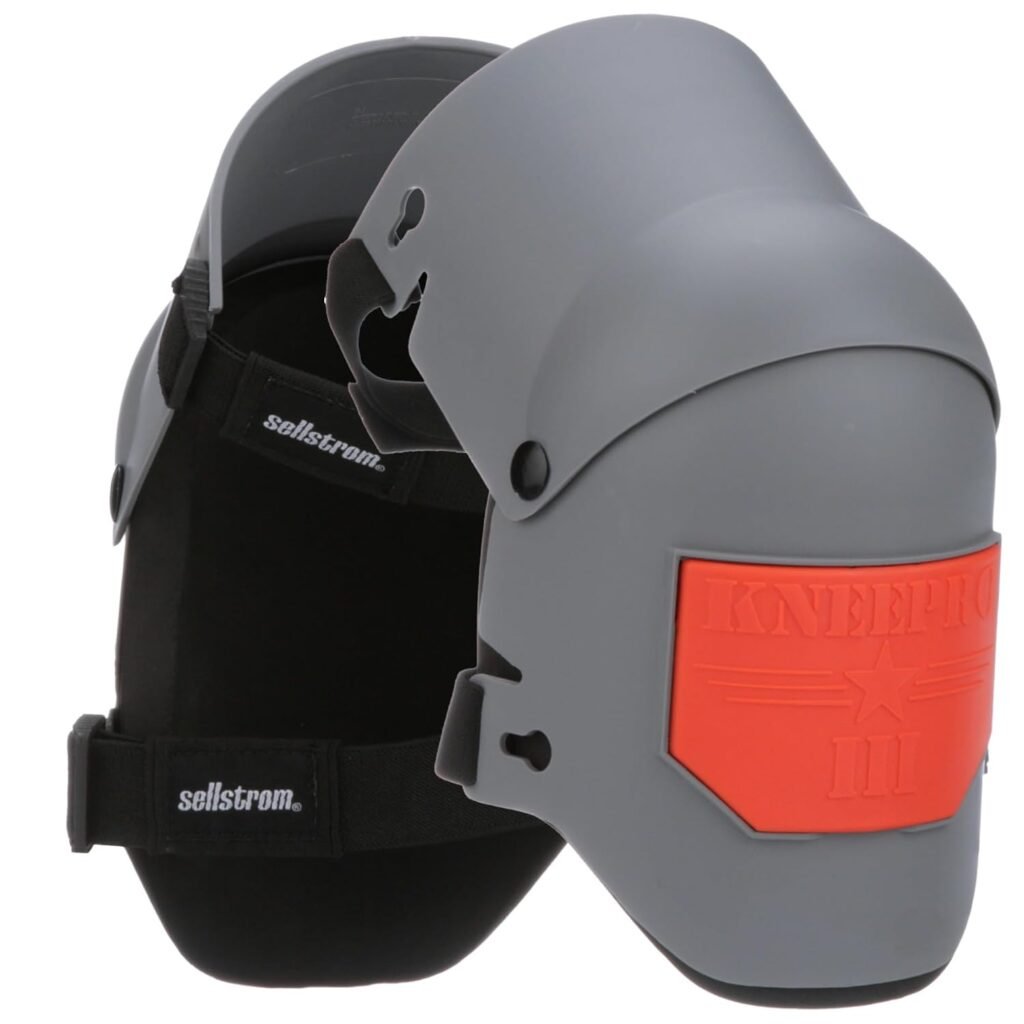
- Lightweight design suited to daily wear during activity
- Range-of-motion control without the bulk of clinical dynamic braces
- Positioned for support and secondary-injury prevention, not acute treatment
- More accessible price point than dedicated dynamic PCL braces
Best For: Patients who have completed initial PCL recovery and want ongoing support during a return to sport or physical activity.
Watch Out For: This isn’t designed to treat an acute Grade II-III PCL tear — it’s a support brace for the post-recovery phase, not a substitute for the dynamic braces above during active healing.
Pros:
- More affordable and accessible than clinical-grade dynamic braces
- Lightweight enough for regular activity use
- Good fit for long-term prevention rather than short-term treatment
Cons:
- Not appropriate for acute-phase PCL injury treatment
- Less rigid support than dedicated dynamic or post-op braces
How to Choose the Right Knee Brace for a PCL Injury
Know your injury grade first. A Grade I strain, a Grade II partial tear, and a Grade III complete tear call for very different levels of bracing. Your doctor’s assessment — not a product description — should be the starting point for this decision.
Acute recovery vs. post-surgical vs. return-to-activity. The six braces above roughly split into these three categories. Buying a return-to-activity brace like the Aspen ROM for an acute Grade III tear (or vice versa) is a mismatch that can slow healing rather than support it.
Dynamic force vs. static support. Braces like the Rebound PCL and PCL Jack actively apply anterior tibial force, which research links to better healing outcomes for more serious tears. Static hinged braces like the Armor provide stability but don’t apply that same active correction.
Professional fitting matters more here than in most brace categories. Because PCL braces work by applying specific mechanical forces, an improperly fitted dynamic brace can undertreat — or in some cases aggravate — the injury. Budget for a fitting appointment rather than treating this as a self-serve purchase.
Plan for brace transitions. Many patients move through two or three different braces over a full PCL recovery — a post-op brace immediately after surgery, a dynamic brace during active rehab, and a lighter support brace once returning to activity. Don’t assume one brace has to cover the whole recovery timeline.
Knee Brace for PCL Injury: Matching the Right Brace to Each Recovery Stage
Choosing the right knee brace for PCL injury recovery starts with understanding what your knee actually needs at each stage of healing. In the early days after diagnosis, a knee brace for PCL injury is mainly about protecting the tibia from sliding backward, which is why dynamic bracing exists in the first place. As swelling goes down and your doctor clears you for more movement, the same knee brace for PCL injury you started with may no longer be the right fit, and many patients transition to a lighter model built for controlled range of motion instead.
Later, once you’re returning to normal activity, a knee brace for PCL injury shifts purpose again, moving from active treatment to ongoing support against re-injury. This is exactly why there’s no single knee brace for PCL injury that works for the entire recovery timeline; the right choice depends on where you are in that process. Talking to your doctor or physical therapist about which knee brace for PCL injury actually matches your grade of tear and recovery stage will save you money and, more importantly, protect your healing knee.
Frequently Asked Questions
What is the best type of knee brace for a PCL injury? For Grade II or III PCL injuries, dynamic PCL-specific braces like the Ossur Rebound PCL or Albrecht PCL Jack are generally recommended because they apply an active anterior force shown to support healing, rather than just providing static stability.
Do all PCL injuries need a brace? Not necessarily. Mild Grade I strains sometimes heal with rest and physical therapy alone, while Grade II and III injuries typically benefit from bracing. Your doctor’s evaluation determines whether bracing is appropriate for your specific injury.
Can a PCL injury heal without surgery? Often, yes. The PCL has a better blood supply than the ACL, and many partial tears heal with conservative treatment, including proper bracing and physical therapy, rather than requiring surgical reconstruction.
How long do you need to wear a knee brace for PCL injury recovery? Recovery timelines vary by grade, from a few weeks for mild strains to several months for more severe tears, and patients often transition between different brace types as healing progresses.
Is a hinged knee brace enough for a PCL tear? A standard hinged brace can provide general stability, but dedicated dynamic PCL braces are generally considered more effective for moderate-to-severe tears because they apply the specific anterior tibial force PCL healing requires.
Should I get a knee brace for PCL injury before seeing a doctor? It’s best to get a diagnosis and injury grade from a doctor first. Bracing needs differ significantly by severity, and a professional evaluation ensures you choose (and properly fit) the right type of brace.
Final Verdict
There isn’t a single “best” knee brace for PCL injury — the right choice depends entirely on where you are in recovery. For active treatment of a moderate-to-severe tear, the Ossur Rebound PCL stands out for being purpose-built around PCL-specific healing mechanics. For the early post-surgical window, the Ossur Rebound Post-Op ROM or DonJoy X-ACT ROM are the more appropriate choice.
And once you’ve moved into return-to-activity territory, a lighter support brace like the Aspen ROM helps protect against re-injury without the bulk of a clinical dynamic brace. Whichever stage you’re in, loop in your doctor or physical therapist before buying — the right brace is the one that matches your specific injury grade and recovery phase, not just the one with the best reviews.


2 Comments