

Best Knee Brace for Patellofemoral Pain Syndrome: A Complete Guide
If you feel pain around or behind your kneecap when climbing stairs, sitting too long, or squatting, you’re likely dealing with patellofemoral pain syndrome (PFPS) — often called runner’s knee. Choosing the best knee brace for patellofemoral pain syndrome can make a real difference in how your knee feels day to day, but only if you pick the right type for your specific symptoms.
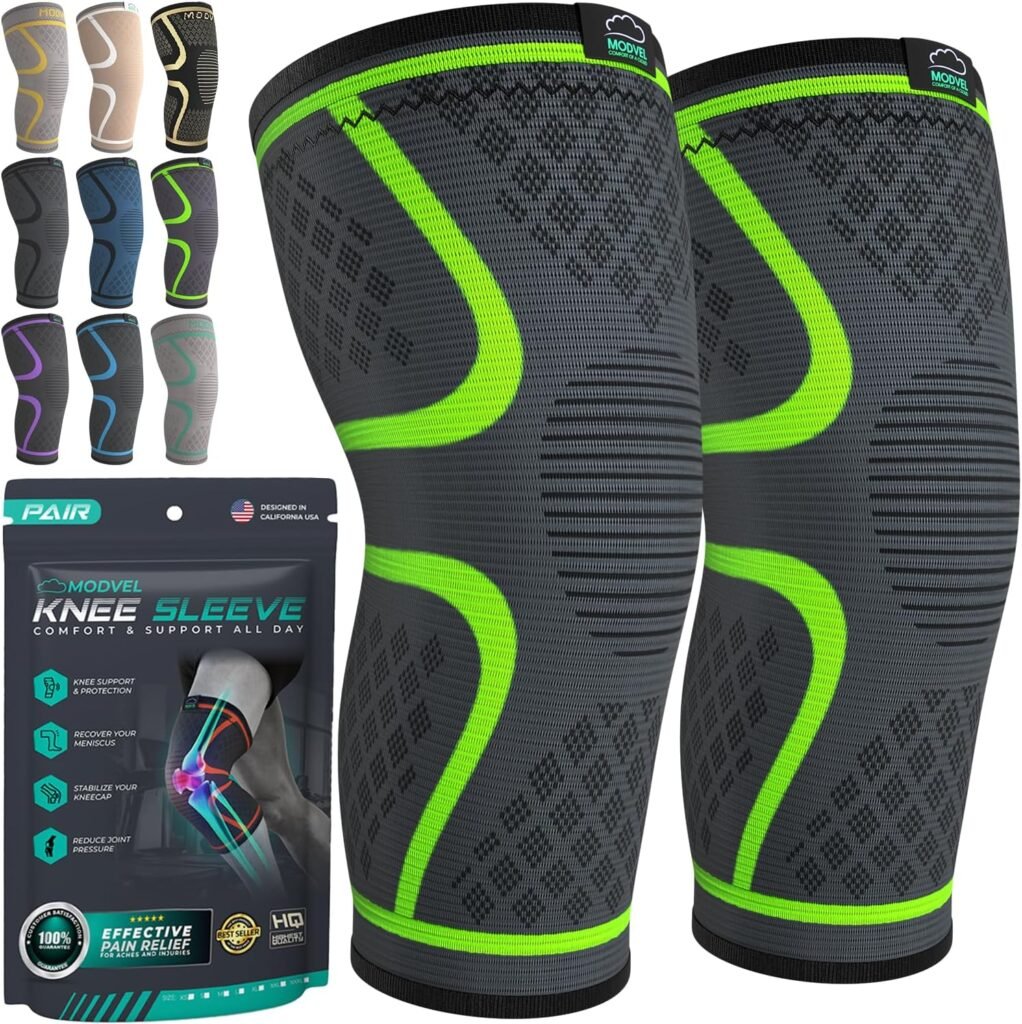
Best Knee Brace for Patellofemoral Pain Syndrome
If you’ve been searching for the best knee brace for patellofemoral pain syndrome, you already know how frustrating that dull, achy pain around the front of the knee can be — especially when climbing stairs, squatting, or sitting for long periods. Patellofemoral pain syndrome (PFPS), often called “runner’s knee,” happens when the kneecap doesn’t track smoothly in its groove, causing irritation with every bend of the joint. The right knee brace for patellofemoral pain syndrome can correct that tracking, reduce pressure on the joint, and let you move without wincing.
Below, we’ve compared six of the top-rated options so you can find the knee brace for patellofemoral pain syndrome that actually fits your activity level, whether that’s daily walking, gym training, or return-to-running.
Choosing the right knee brace for patellofemoral pain syndrome also depends on how your pain shows up day to day — constant, mild irritation calls for a different brace than sharp pain during sports.
What Causes Patellofemoral Pain Syndrome?
Before picking a knee brace for patellofemoral pain syndrome, it helps to understand what’s actually going on in the joint. PFPS develops when the kneecap (patella) doesn’t glide smoothly within the groove of the thighbone (femoral groove) as the knee bends and straightens. Instead of tracking straight, the kneecap shifts slightly to one side, causing friction and irritation against the cartilage underneath. Common contributing factors include:
- Muscle imbalance: Weak quadriceps, especially the inner thigh muscle (VMO), can let the kneecap drift outward.
- Tight IT band or hamstrings: Restricted soft tissue around the knee can pull the patella off its normal path.
- Overuse: Sudden increases in running mileage, jumping, or stair climbing overload the joint before it’s ready.
- Flat feet or poor footwear: Altered foot mechanics change how force travels up through the knee.
- Previous injury: A prior kneecap dislocation or trauma often leaves lingering tracking issues.
Because PFPS is a mechanical problem, a knee brace for patellofemoral pain syndrome works by physically correcting or supporting that tracking path while the surrounding muscles get stronger through rehab.
Signs You Might Need a PFPS Knee Brace
Not everyone with knee pain needs a brace right away, but a knee brace for patellofemoral pain syndrome is usually worth trying if you notice:
- Pain that worsens after sitting for long periods with bent knees (“theater sign”)
- A grinding or clicking sensation when climbing stairs or squatting
- Discomfort that flares up during or after running, jumping, or cycling
- A feeling that the kneecap is “loose” or shifting during movement
- Pain that improves temporarily with rest but returns once activity resumes
If these symptoms sound familiar, a supportive brace paired with targeted exercises is one of the most effective non-surgical ways to manage the condition.
Quick Comparison Table
| Brace | Type | Best For | Rating |
|---|---|---|---|
| DonJoy Reaction Web Knee Brace | Sleeve with dynamic straps | Active runners | 4.7/5 |
| Bauerfeind GenuTrain P3 | Compression sleeve with pad | Chronic PFPS pain | 4.8/5 |
| McDavid 429X Knee Brace | Hinged sleeve | Sports & lateral movement | 4.5/5 |
| Vive Patella Stabilizer | Open patella strap sleeve | Budget daily wear | 4.4/5 |
| Shock Doctor Knee Support | Compression sleeve | Gym & lifting | 4.3/5 |
| POWERLIX Compression Sleeve | Basic compression sleeve | Light daily activity | 4.2/5 |
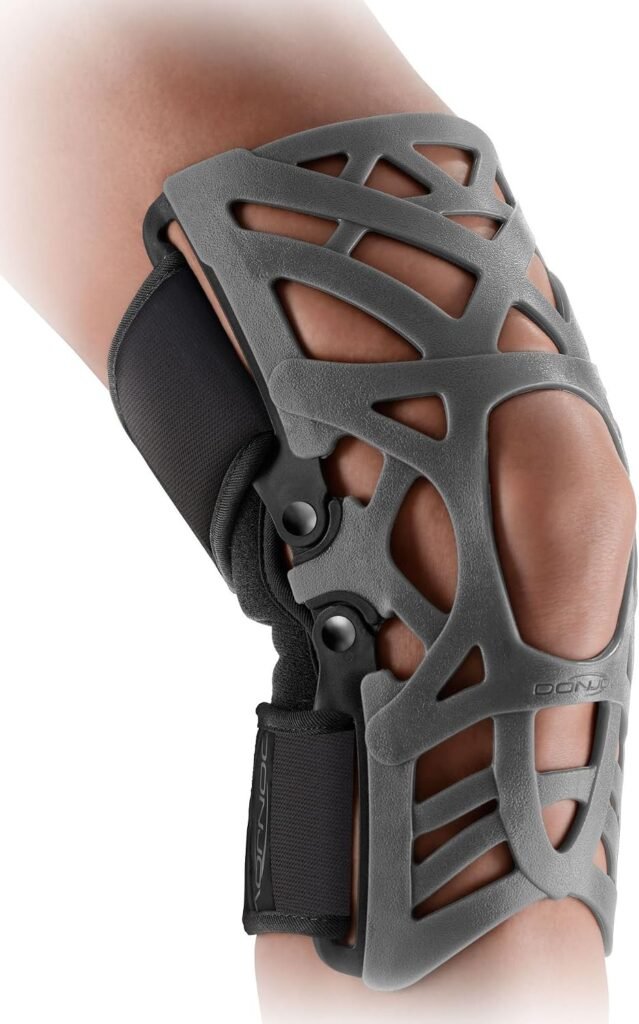
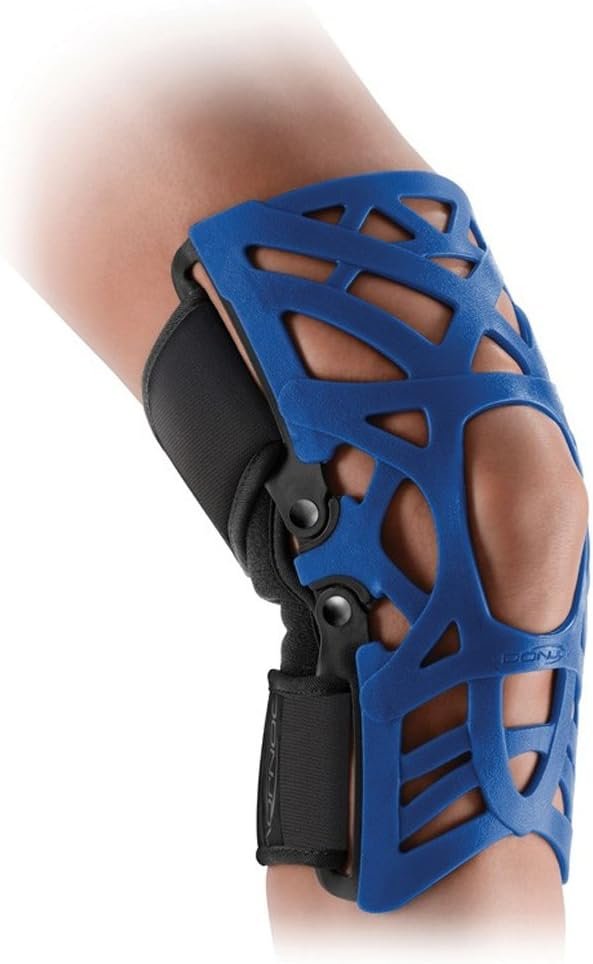
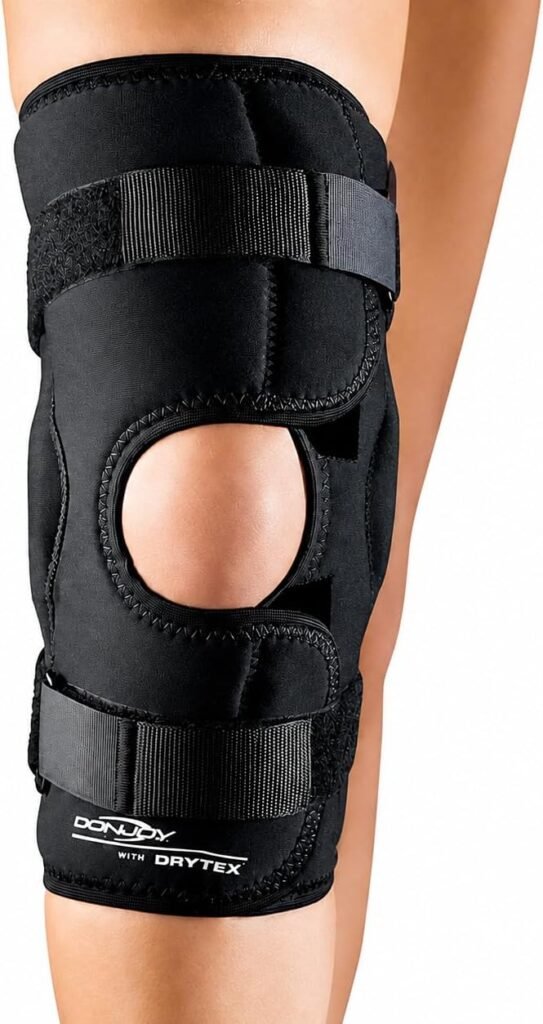
DonJoy Reaction Web Knee Brace
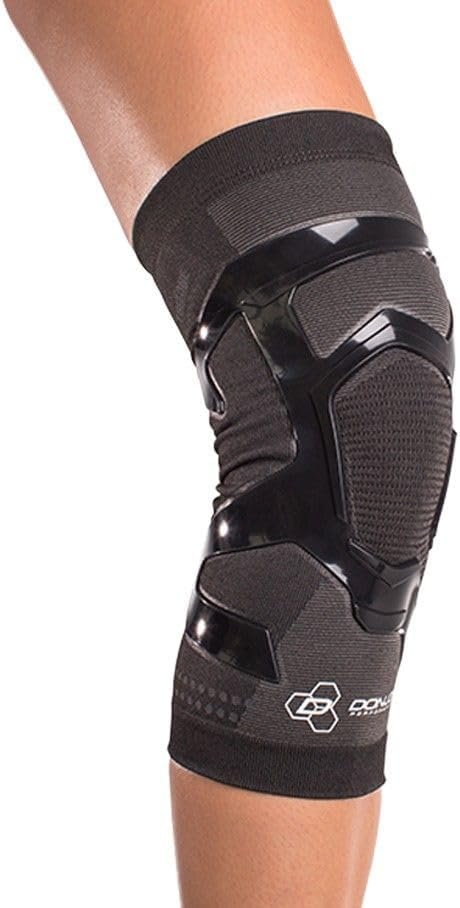
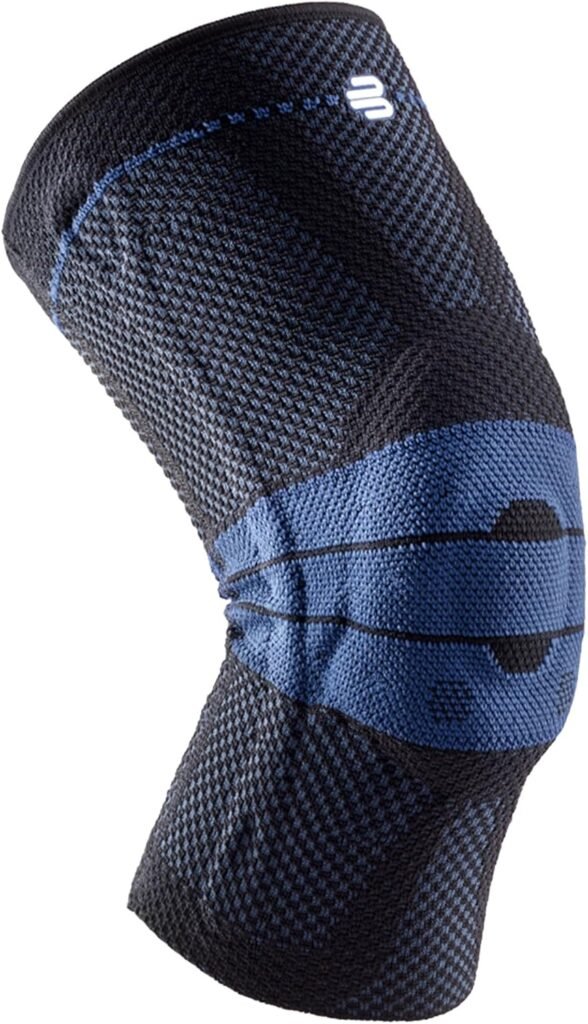
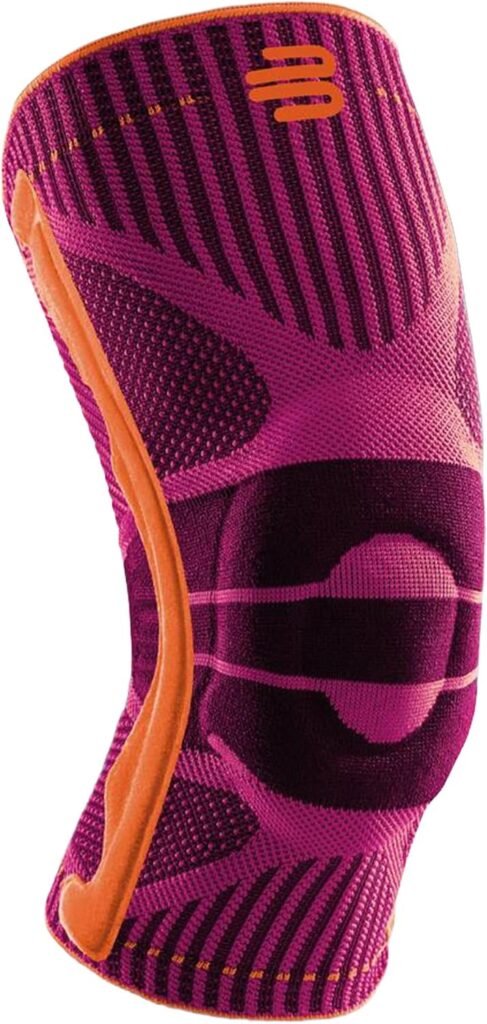
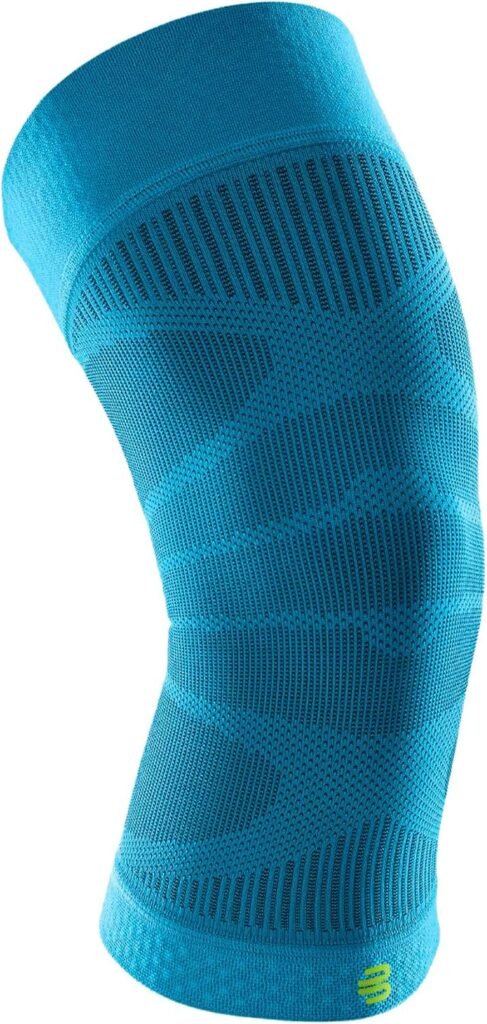
Bauerfeind GenuTrain P3
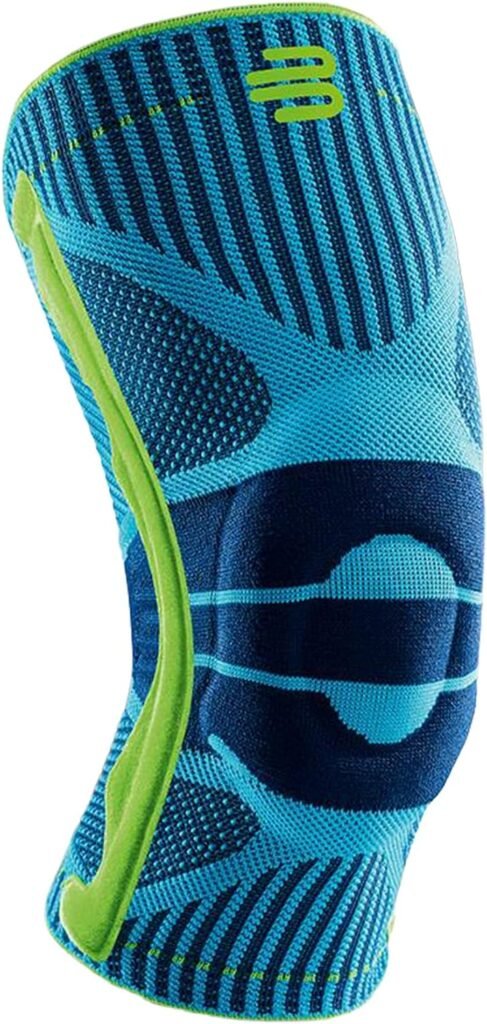
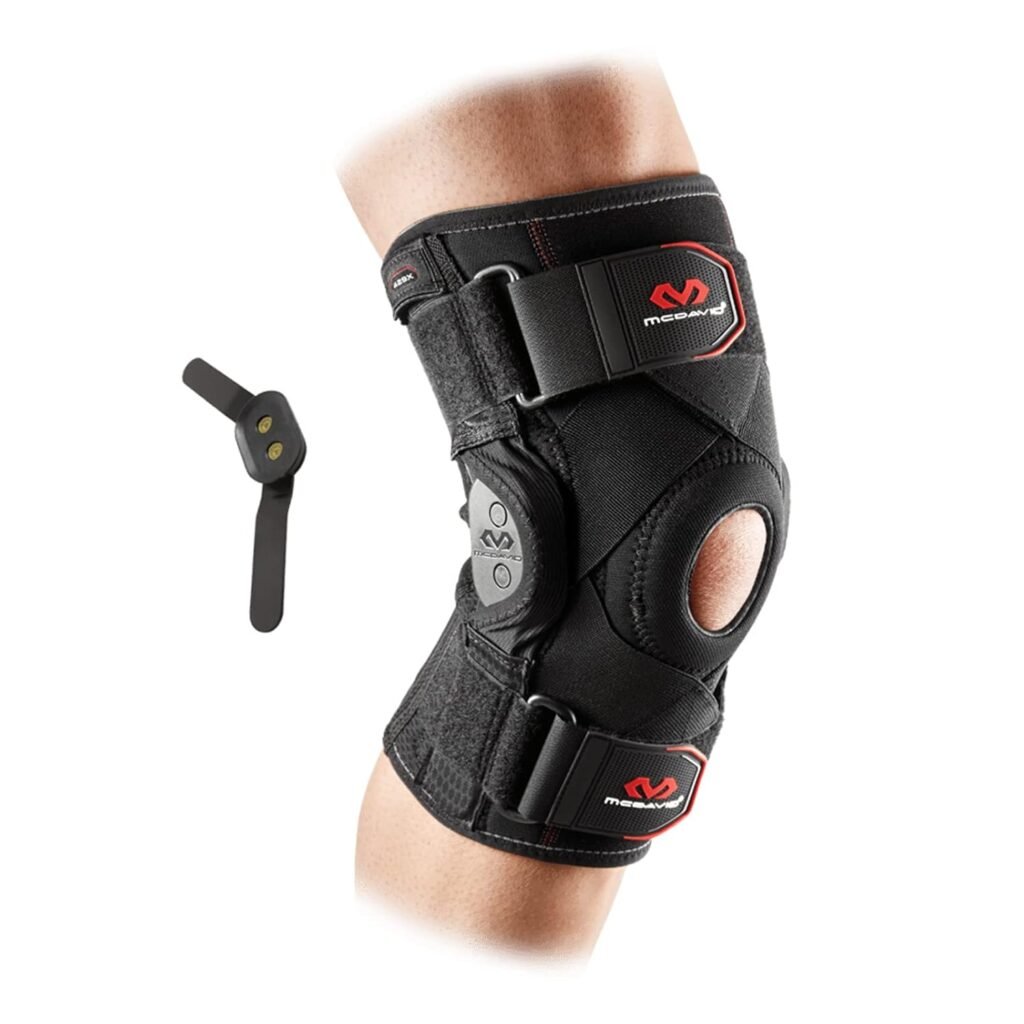
McDavid 429X Knee Brace
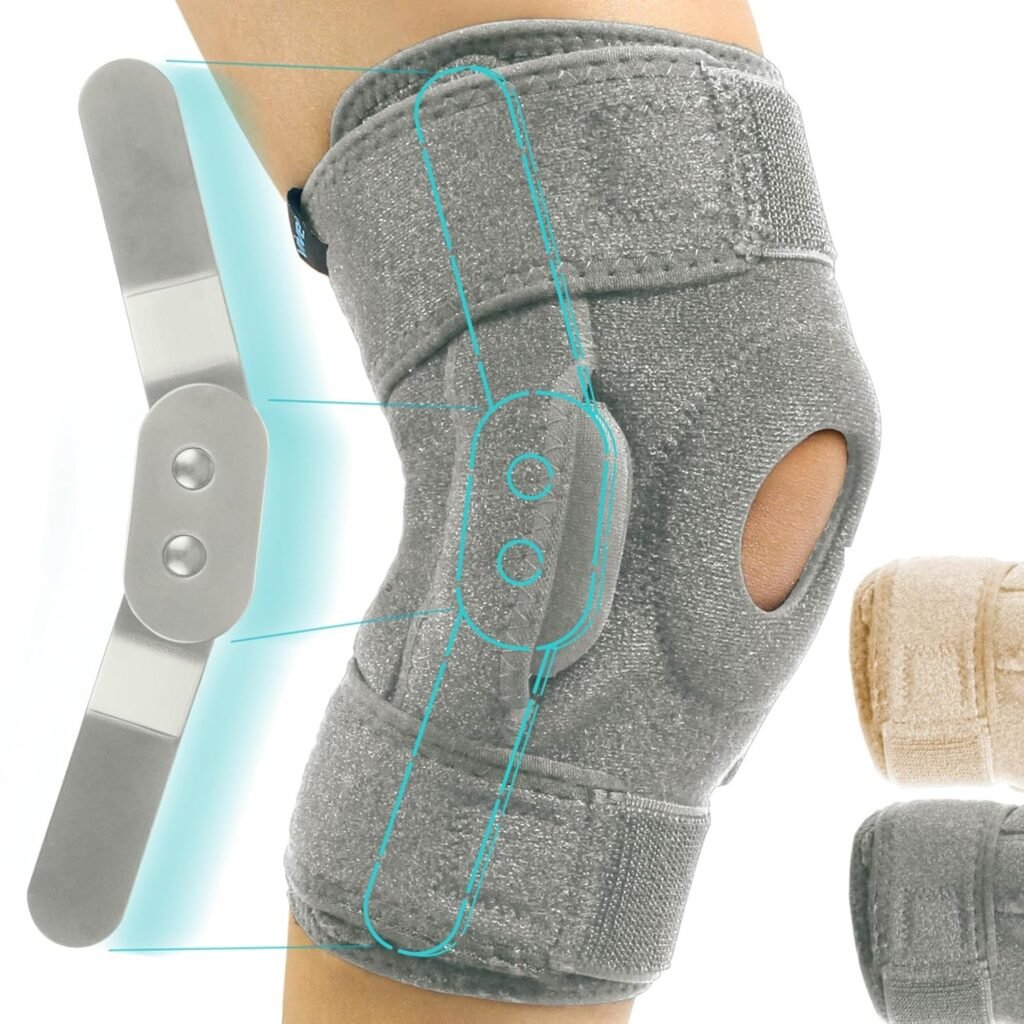
Vive Patella Stabilizer
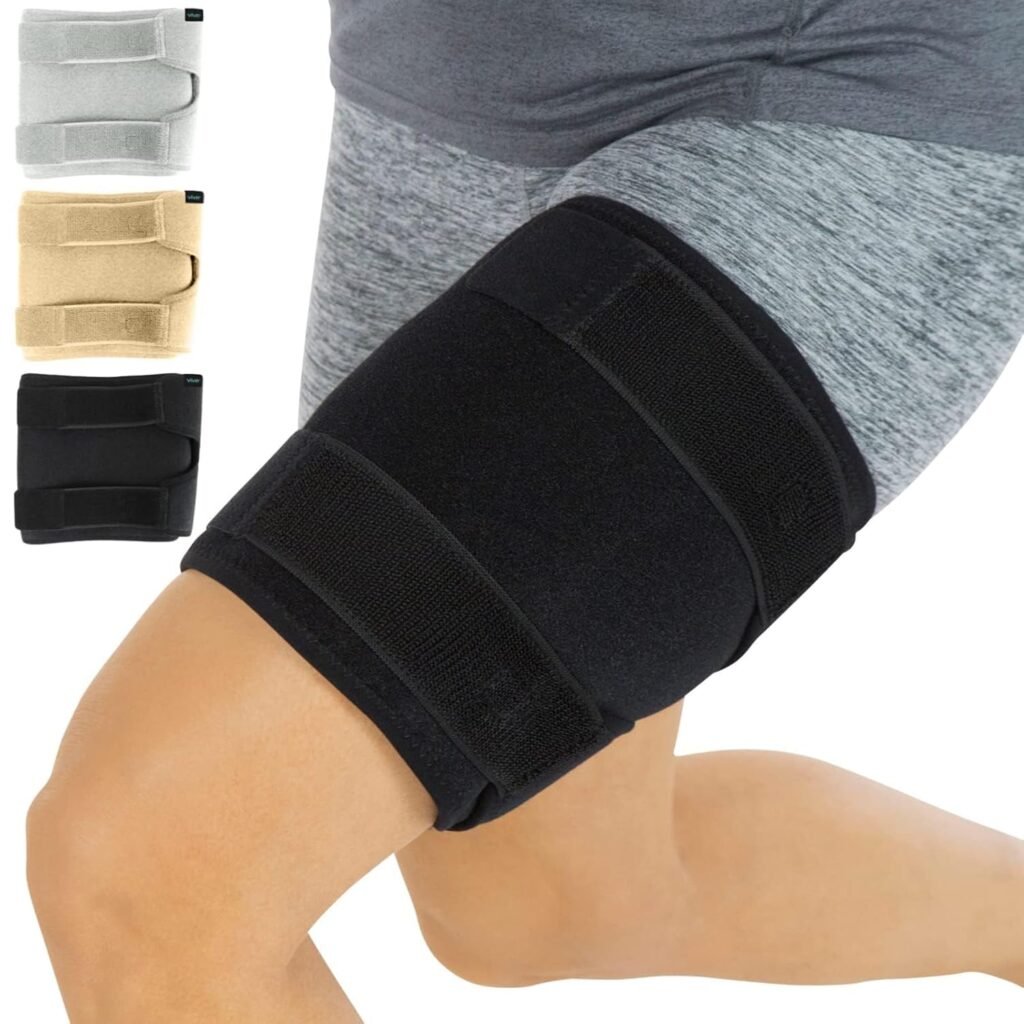
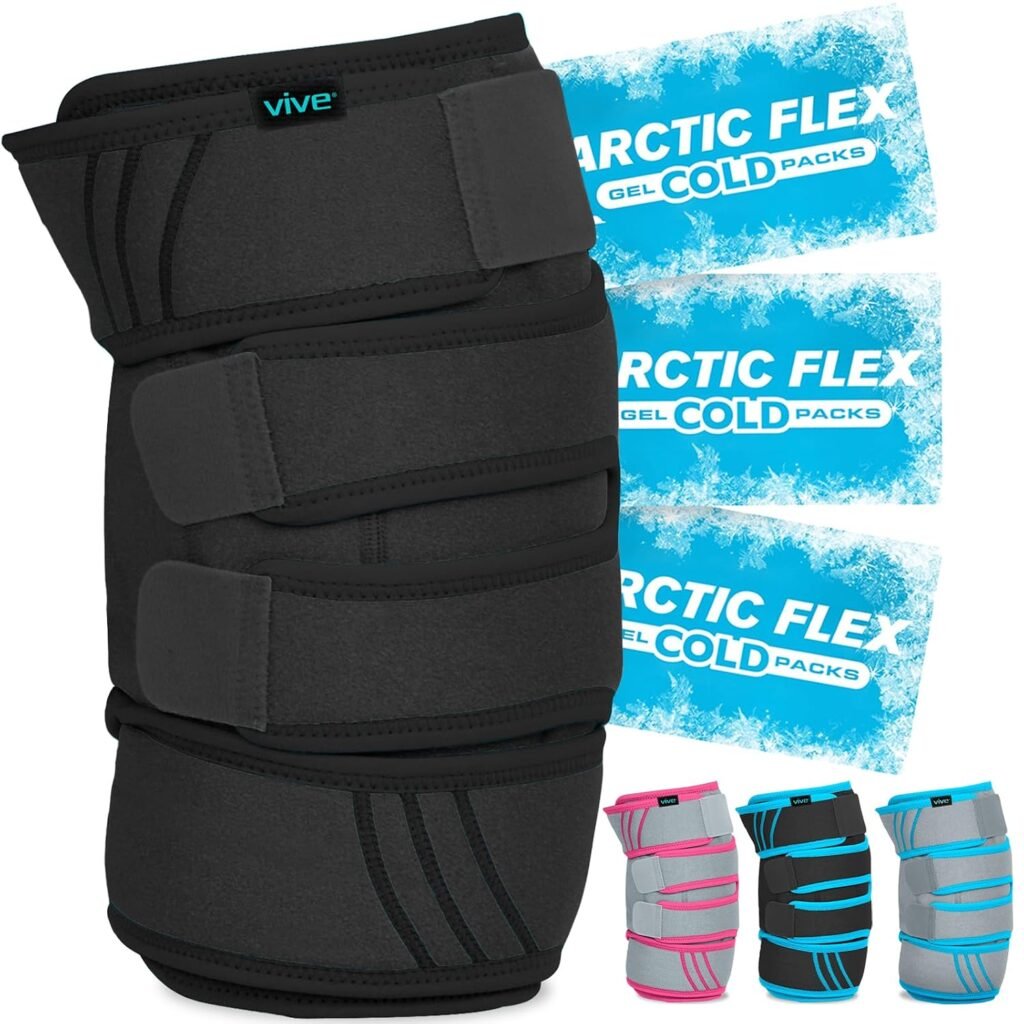
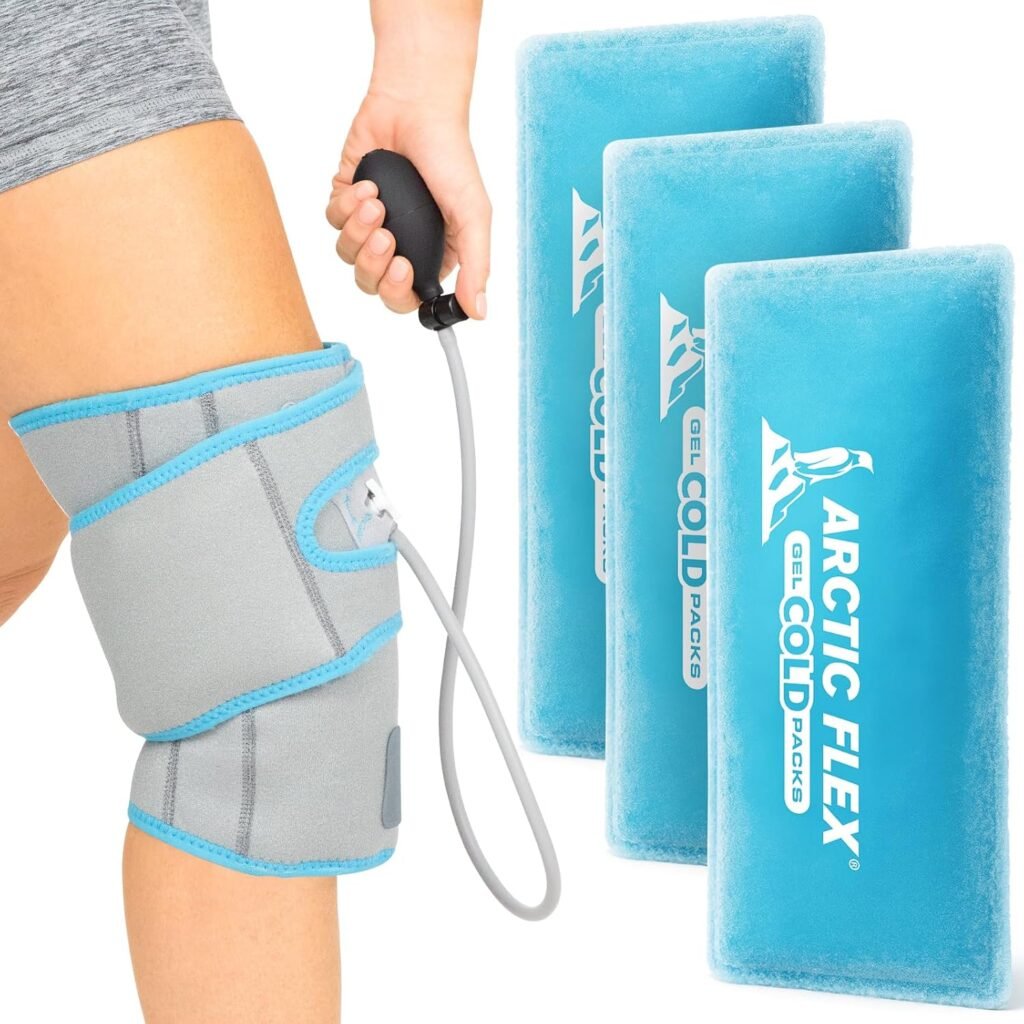
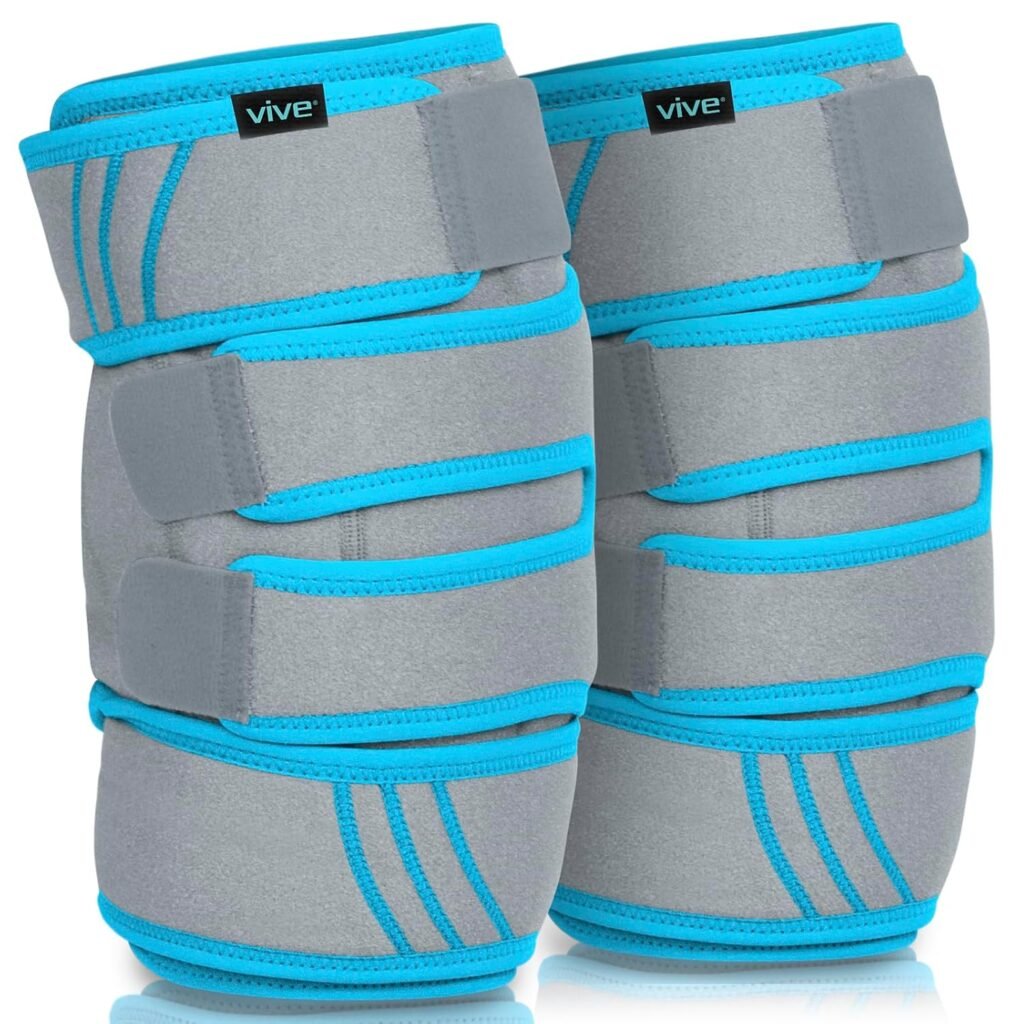
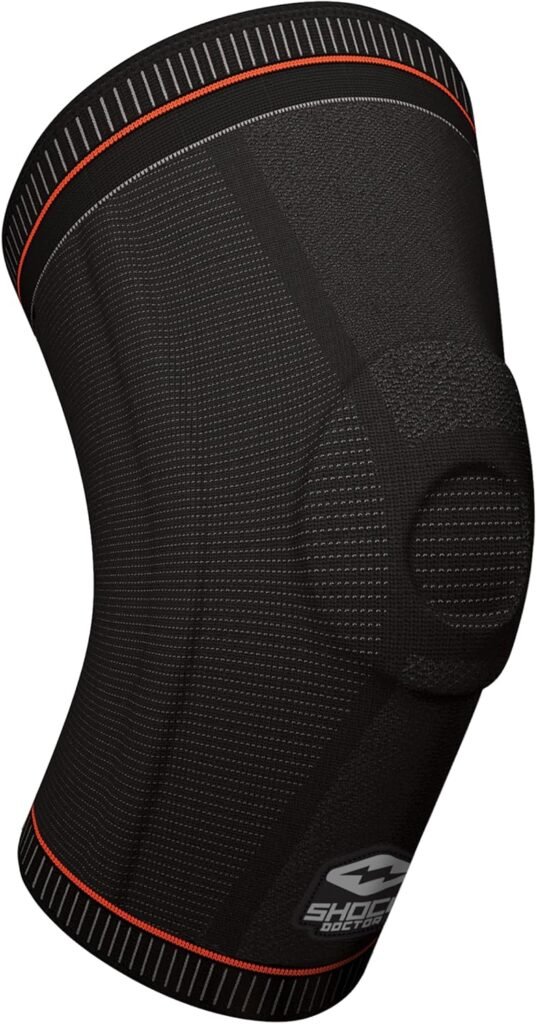
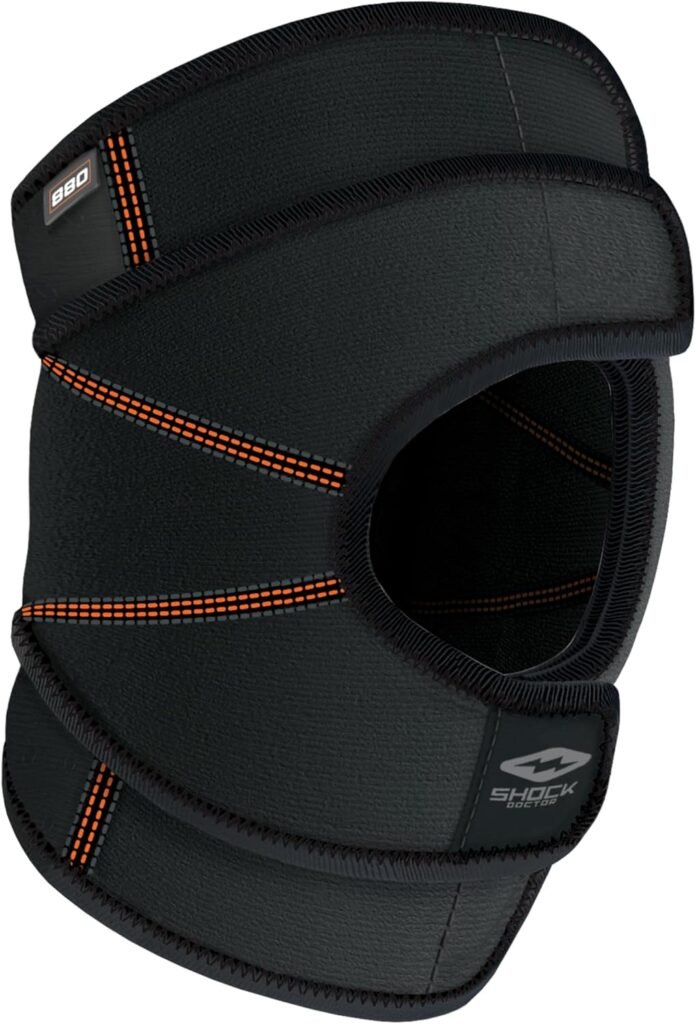
Shock Doctor Knee Support
POWERLIX Compression Sleeve
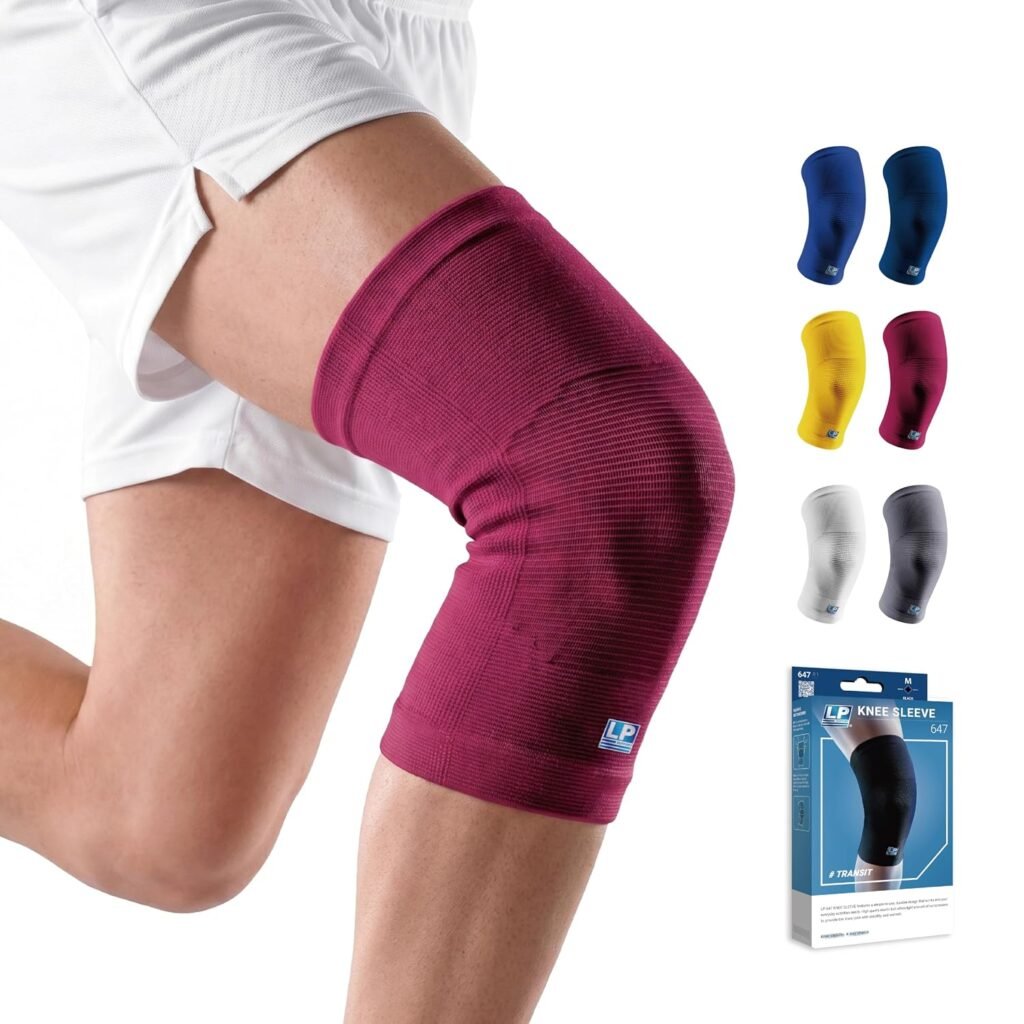
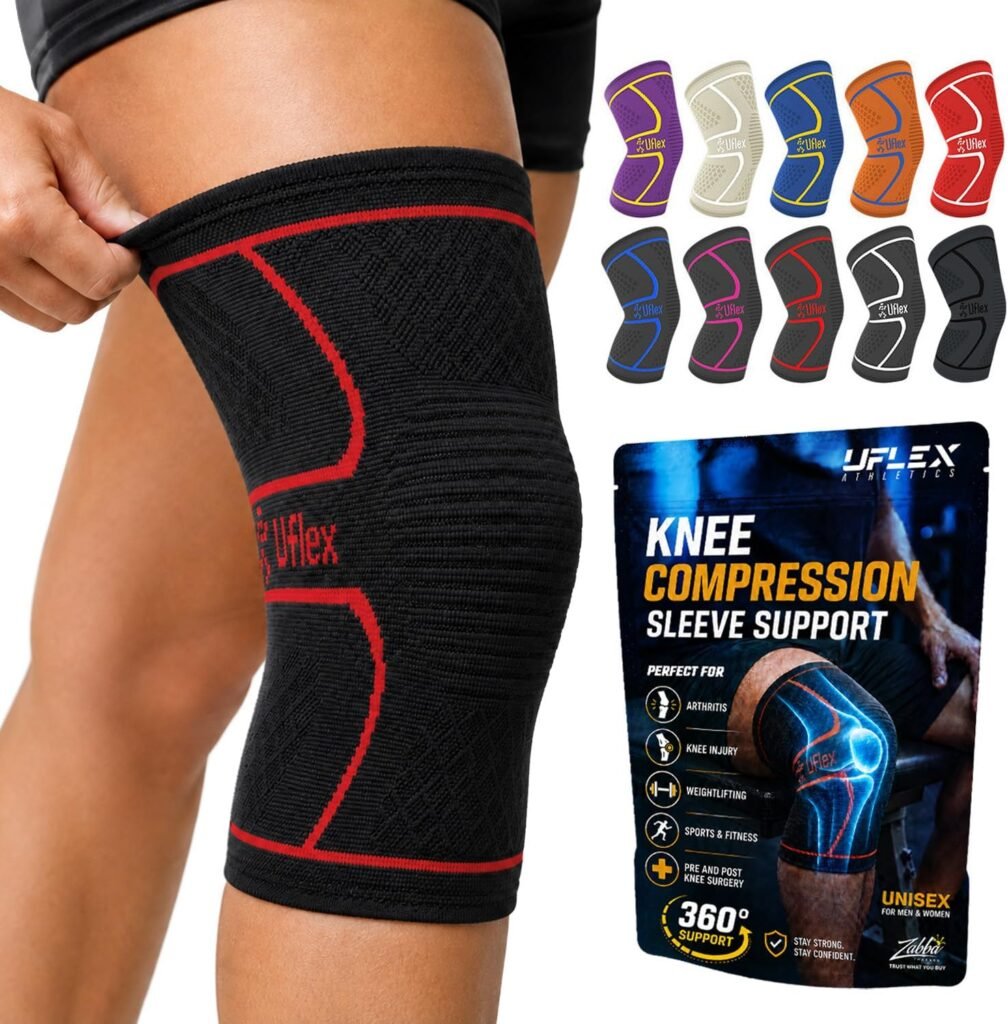
1. DonJoy Reaction Web Knee Brace
The DonJoy Reaction Web is a favorite among physical therapists as a knee brace for patellofemoral pain syndrome because of its woven strap system that dynamically pulls the kneecap into proper alignment as you move, rather than relying on a static pad alone.
Best For: Runners and people who want dynamic tracking support during activity.
Watch Out For: The webbing takes a few wears to get used to, and sizing runs slightly large.
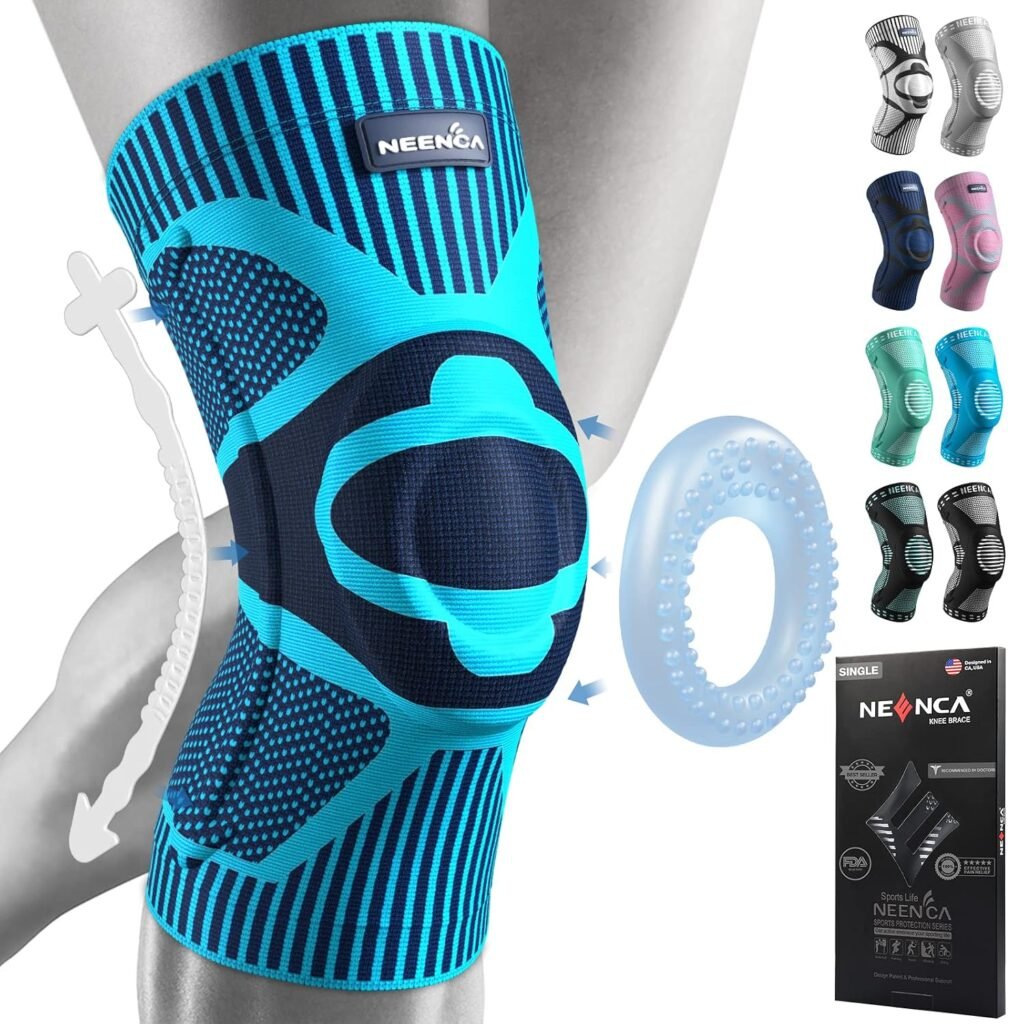
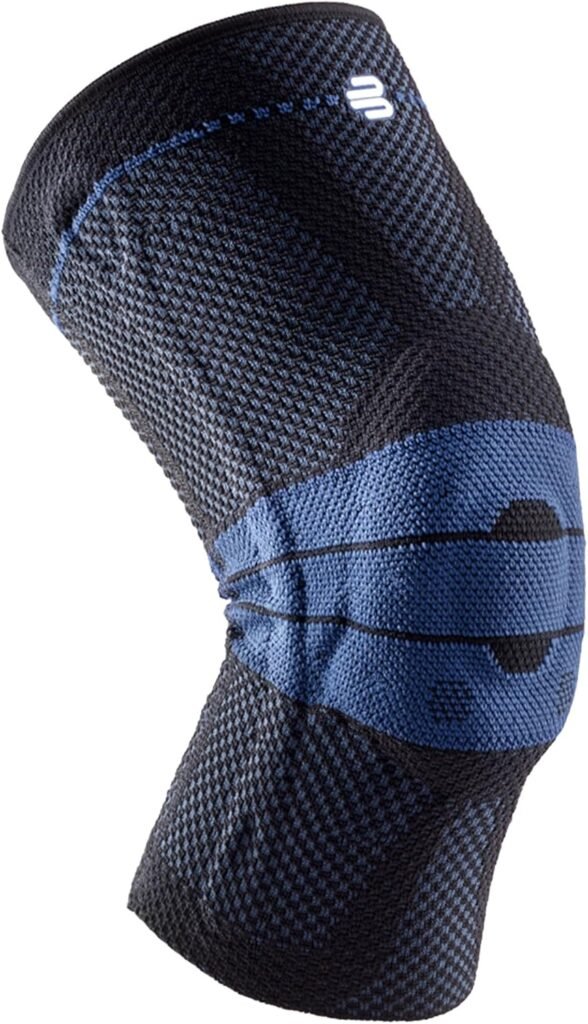
2. Bauerfeind GenuTrain P3
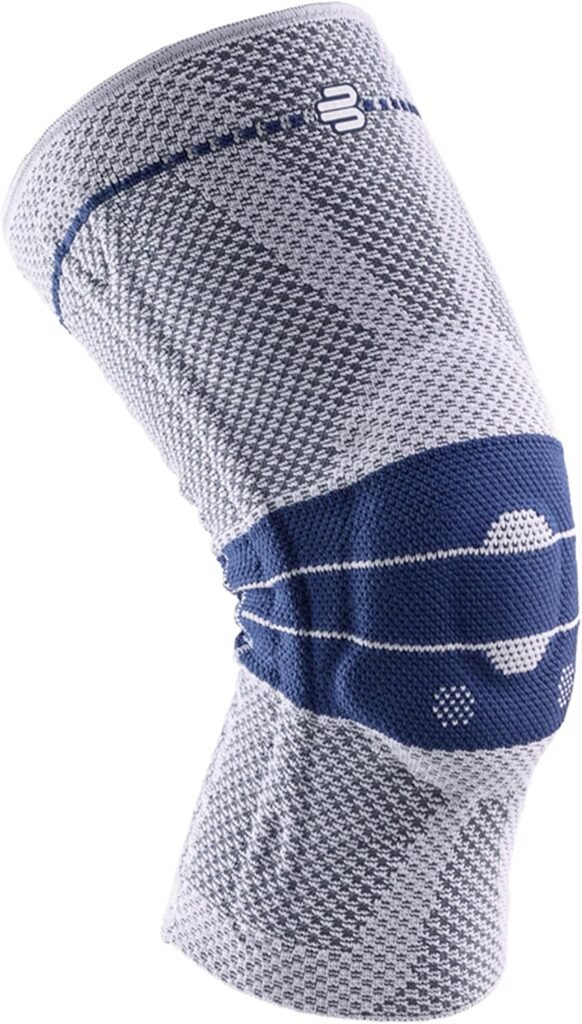
Bauerfeind’s GenuTrain P3 combines medical-grade compression knit with a silicone pad ring around the kneecap, making it one of the most clinically supported choices when searching for a knee brace for patellofemoral pain syndrome relief.
Best For: People with chronic or recurring PFPS who need all-day support.
Watch Out For: Higher price point compared to basic sleeves.
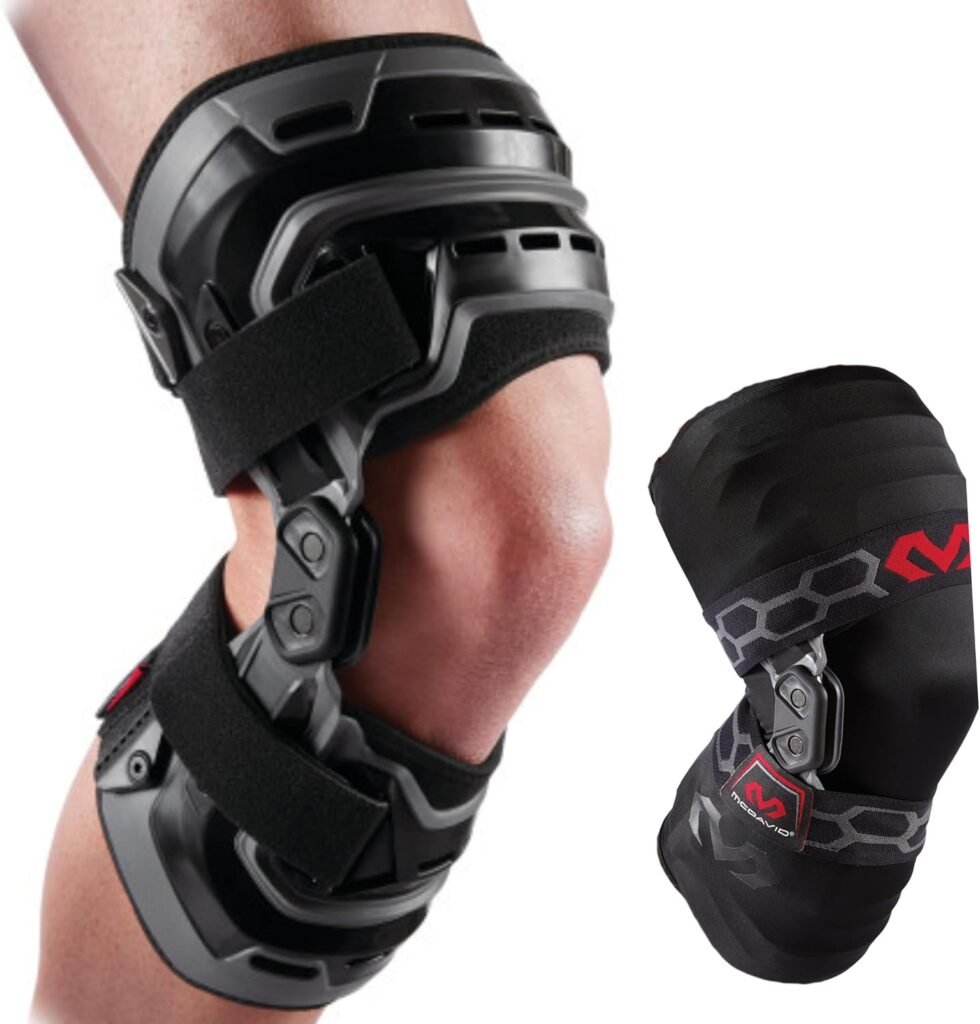
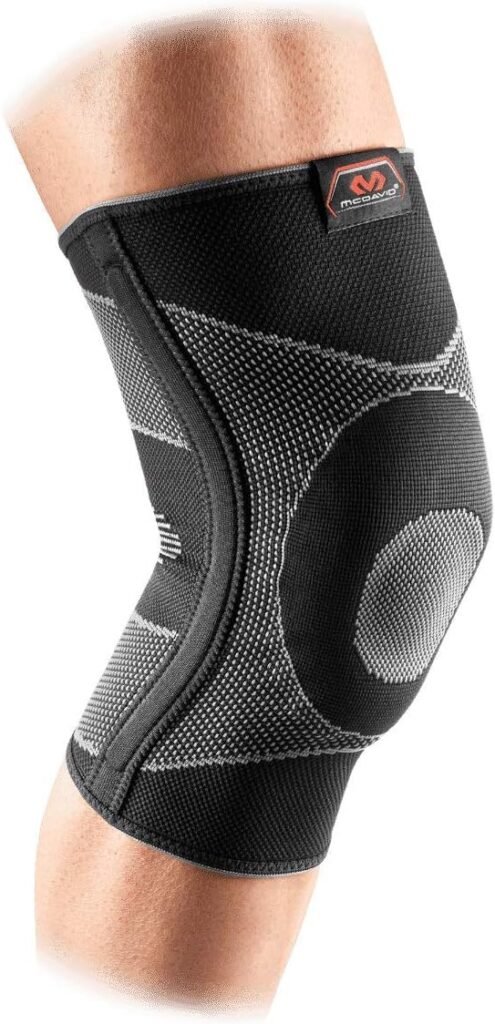
3. McDavid 429X Knee Brace
The McDavid 429X adds hinges on both sides for extra stability, making it a solid knee brace for patellofemoral pain syndrome when the pain is paired with mild lateral instability from sports like basketball or tennis.
Best For: Athletes needing lateral stability plus patella support.
Watch Out For: Bulkier fit, less ideal under tight clothing.
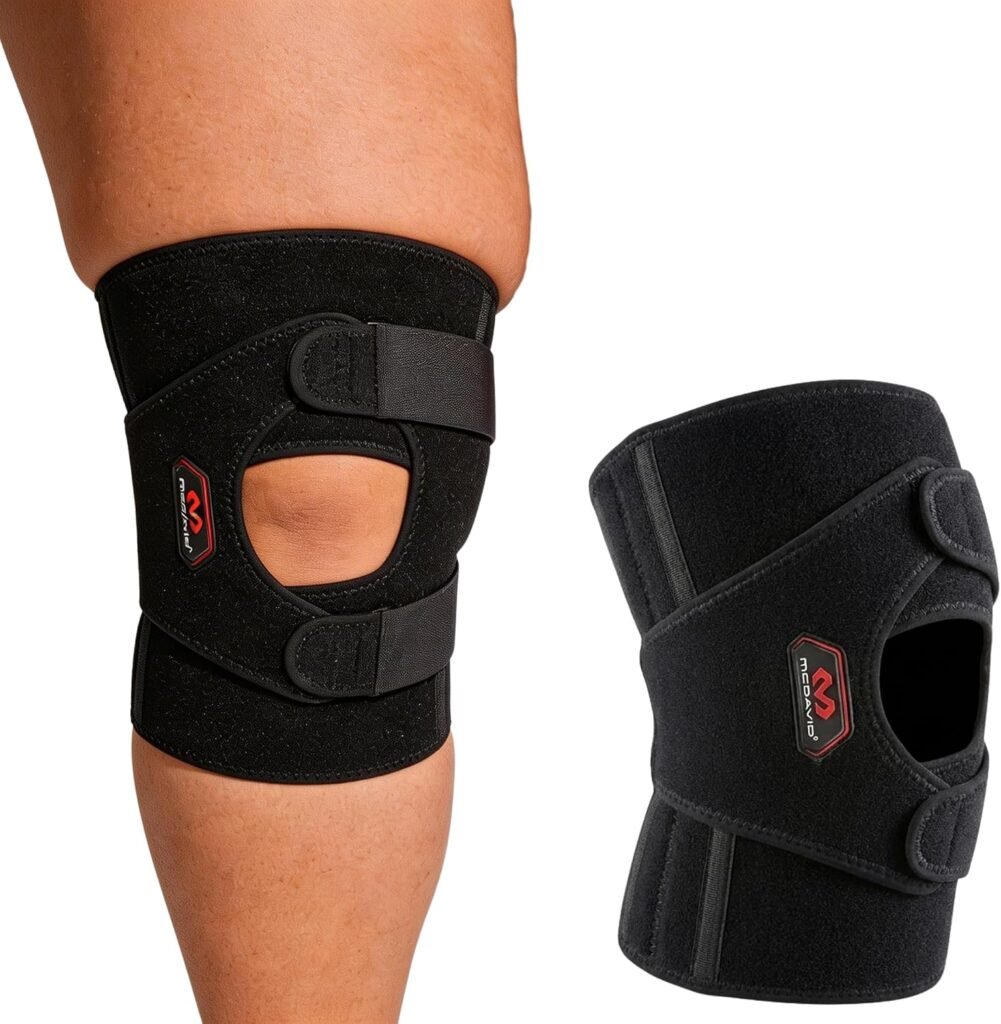
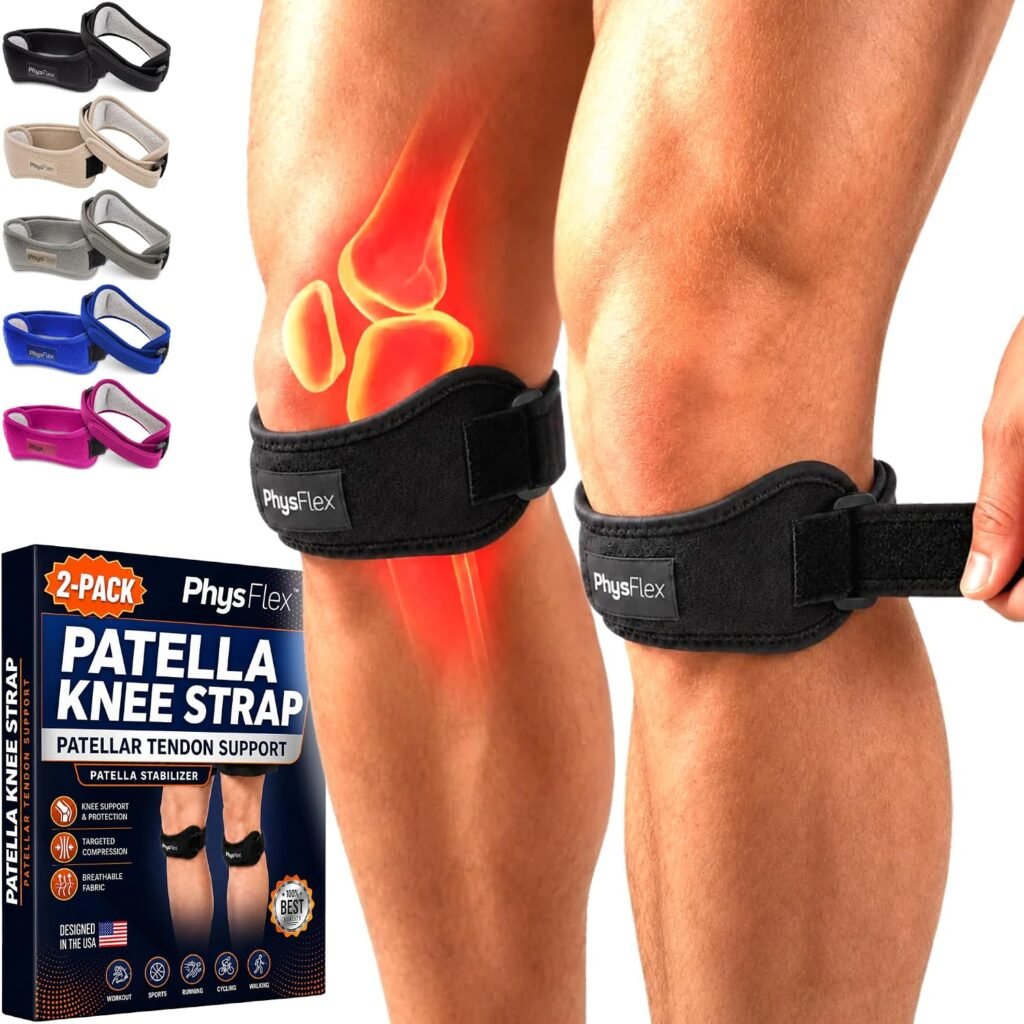
4. Vive Patella Stabilizer
For those wanting an affordable, no-frills knee brace for patellofemoral pain syndrome, the Vive Patella Stabilizer uses a simple open-patella design with a silicone ring to keep the kneecap centered during everyday movement.
Best For: Budget-conscious buyers needing daily light support.
Watch Out For: Less durable stitching over long-term heavy use.
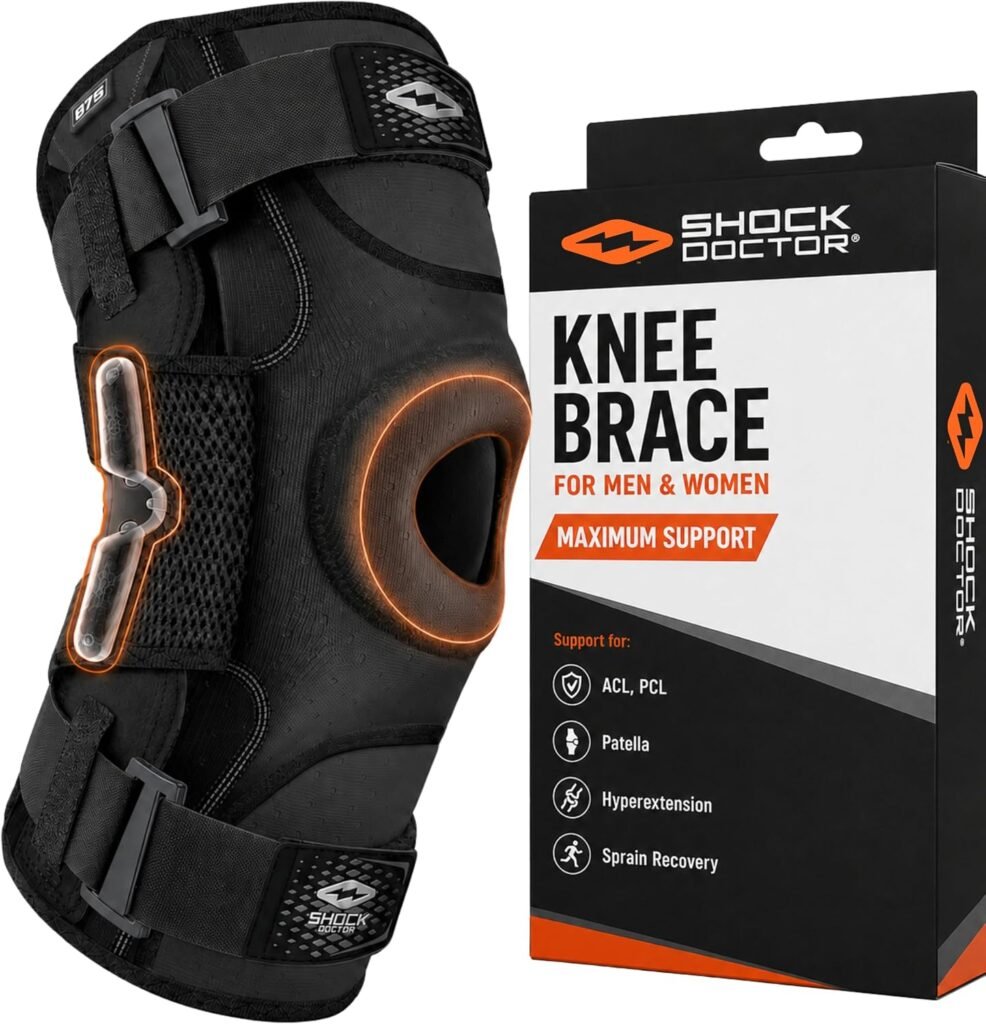
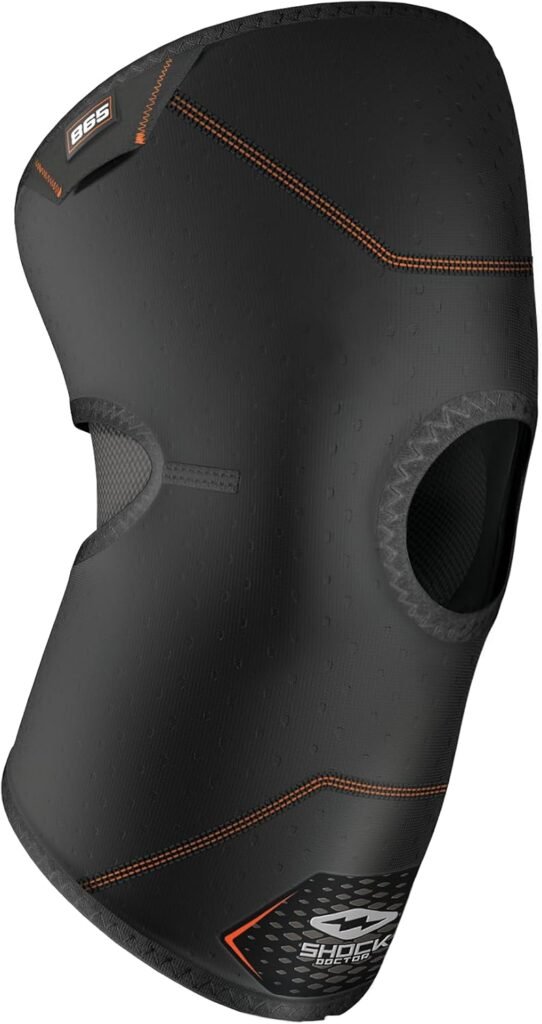
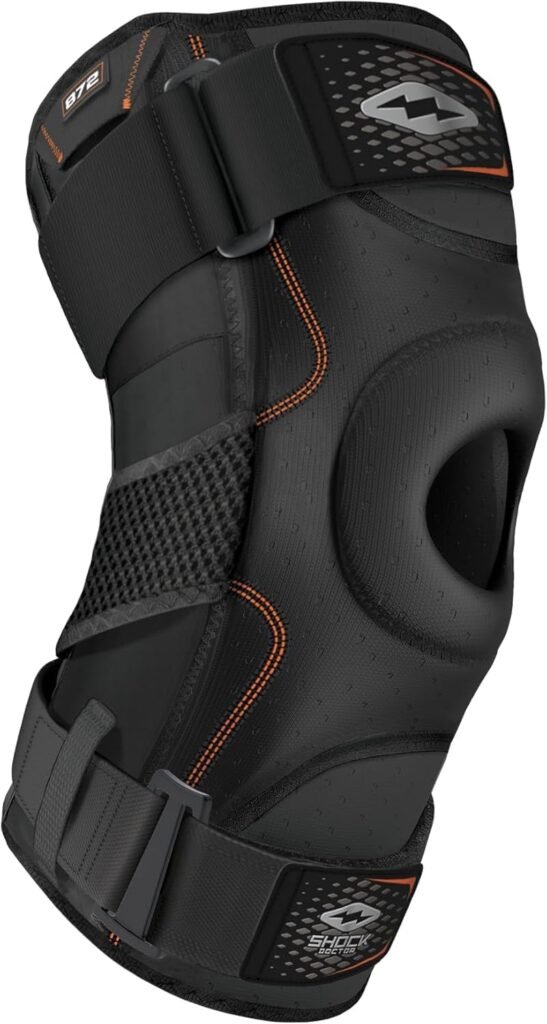
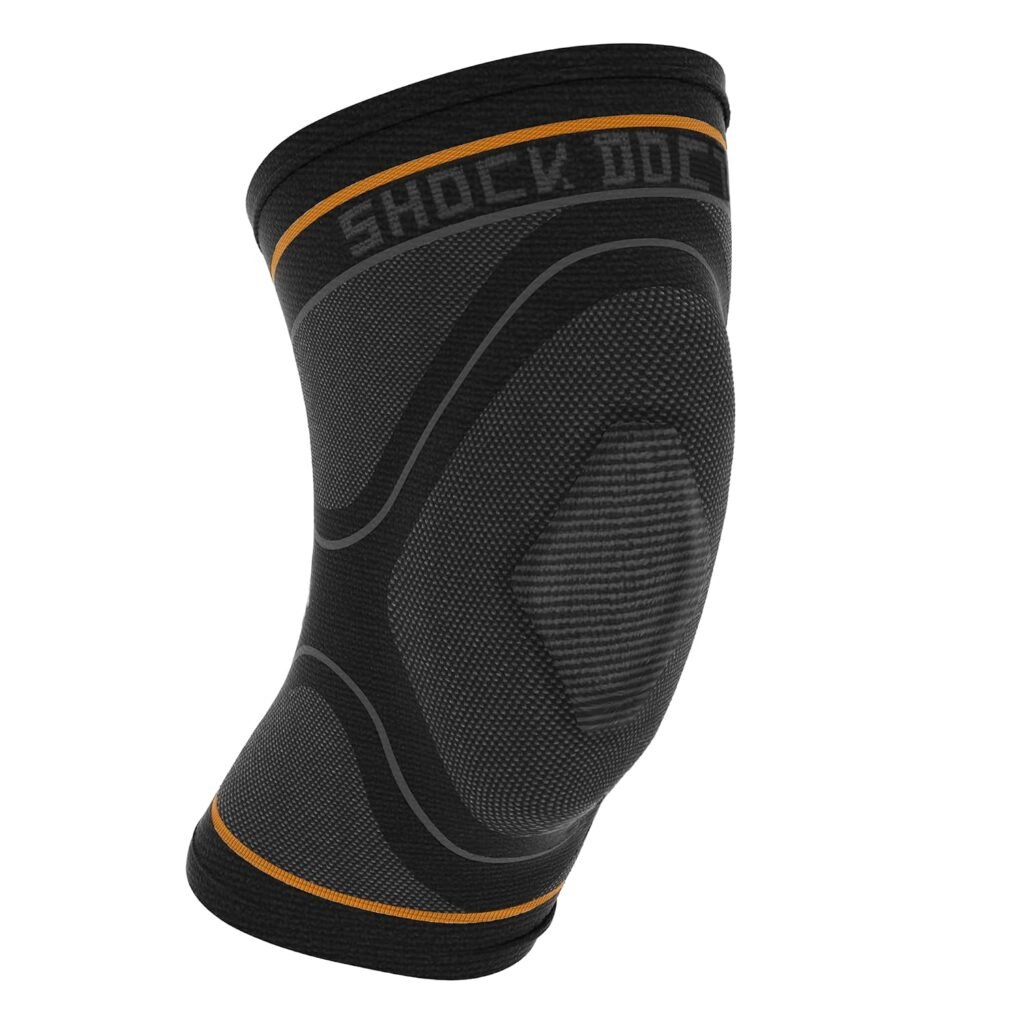
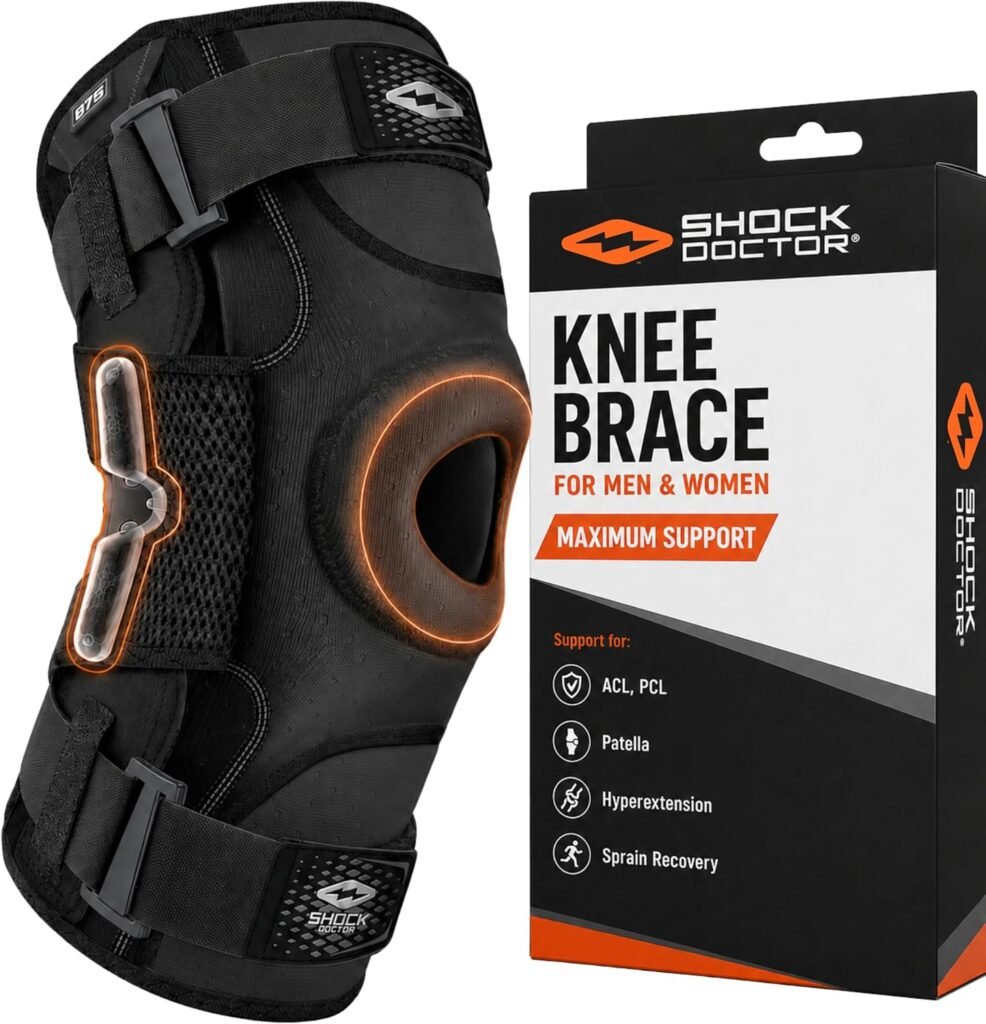
5. Shock Doctor Knee Support
The Shock Doctor sleeve is compression-based with a horseshoe pad, offering a lightweight knee brace for patellofemoral pain syndrome that works well under gym wear during squats and lunges.
Best For: Gym-goers and weightlifters.
Watch Out For: Minimal lateral support compared to hinged options.
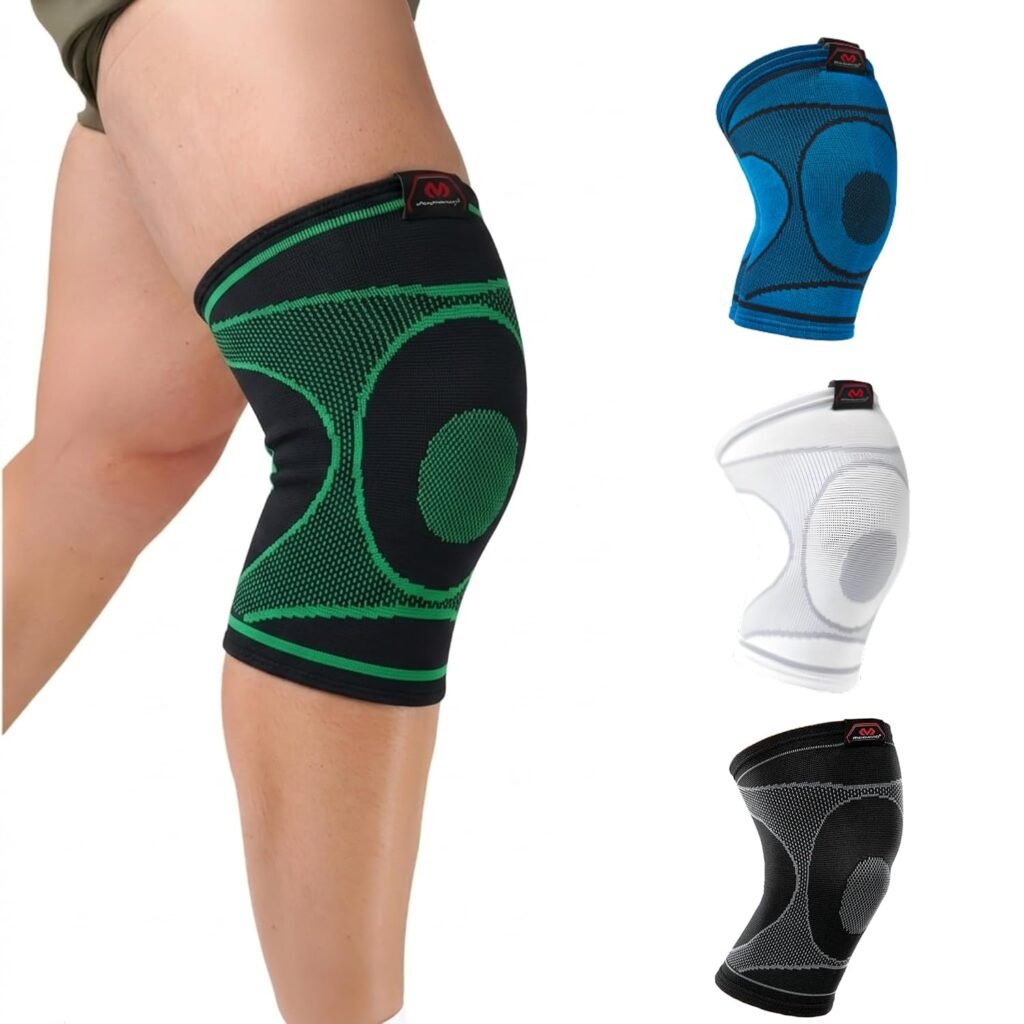
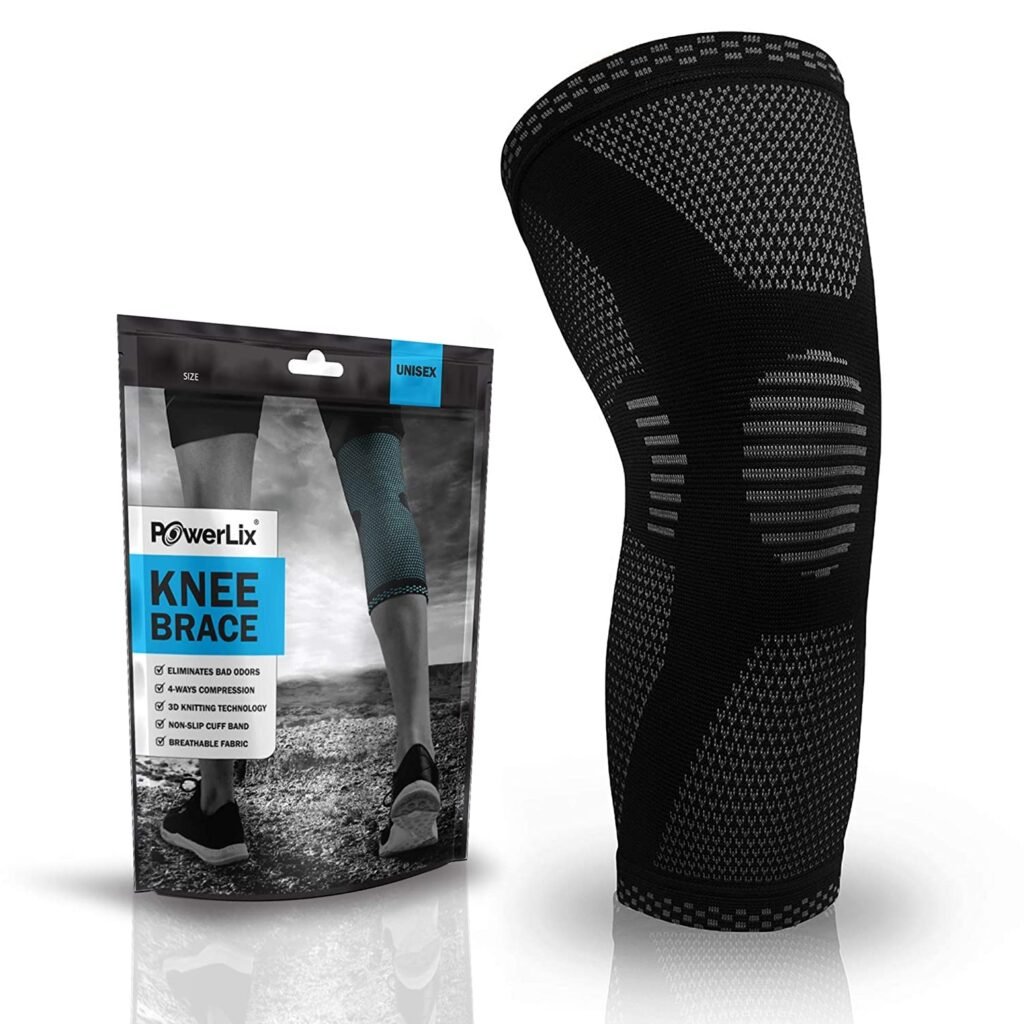
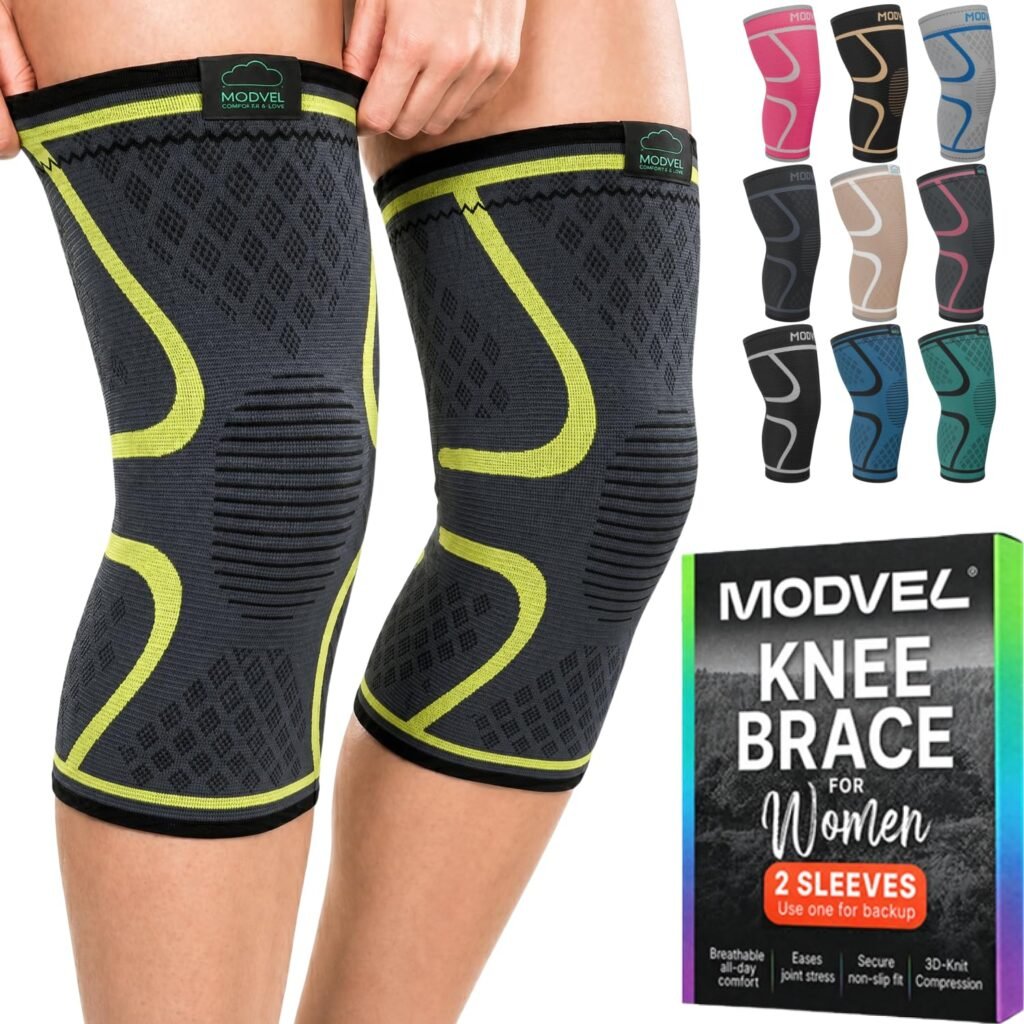
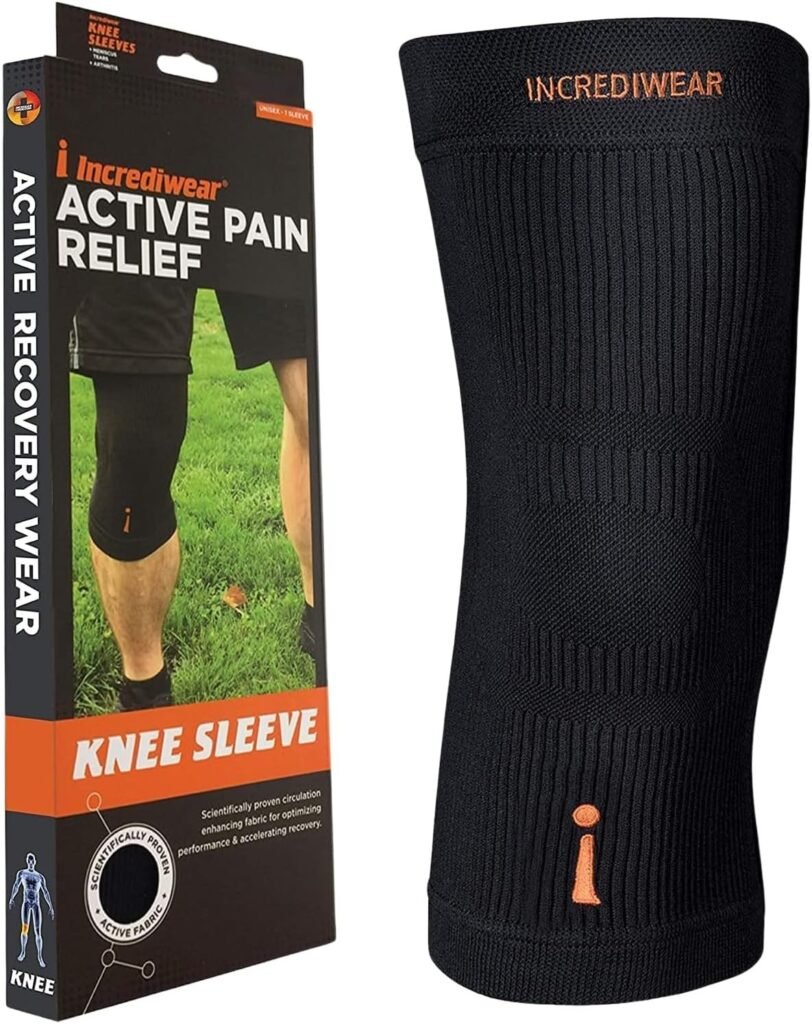
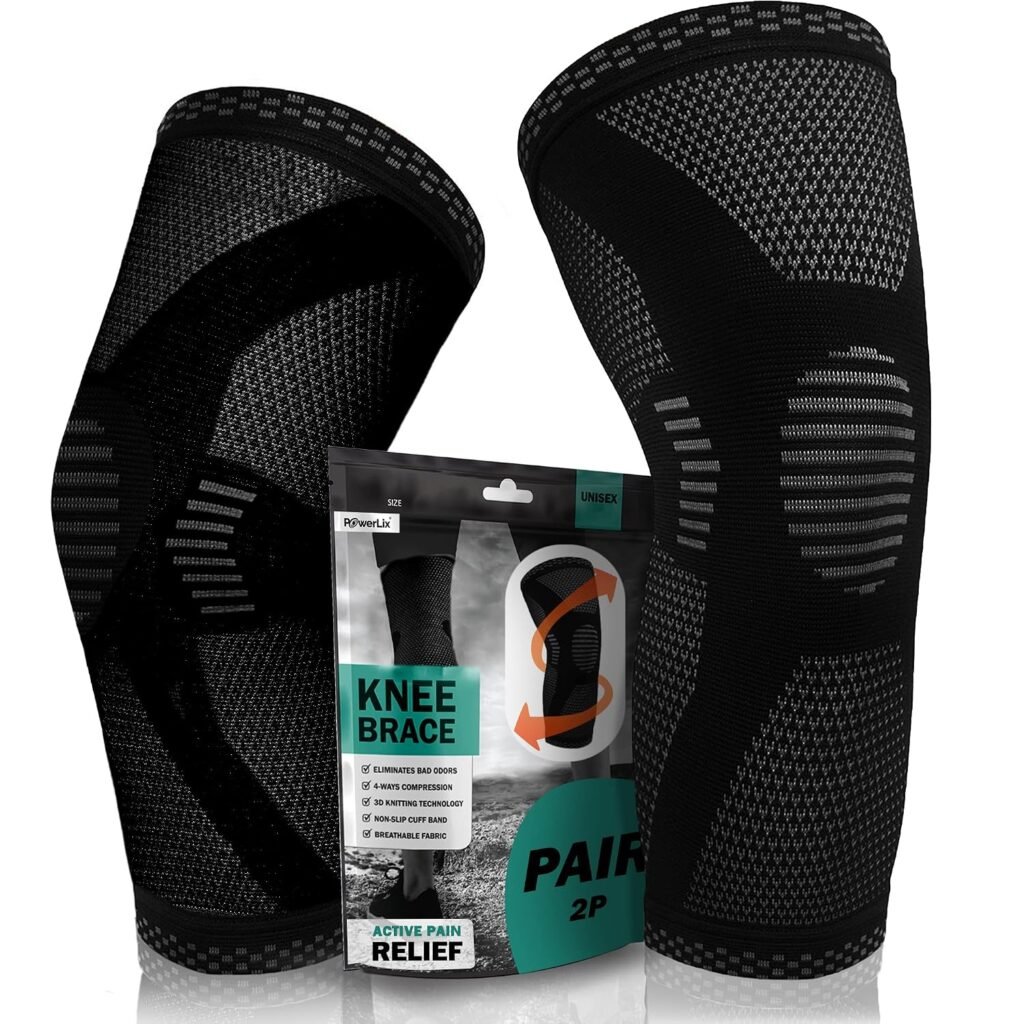
6. POWERLIX Compression Sleeve
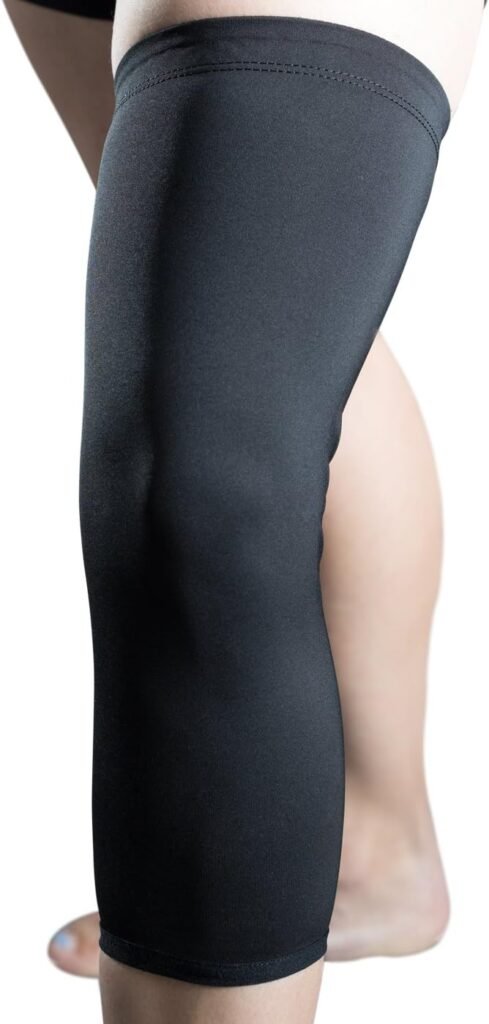
A simple, breathable option, the POWERLIX sleeve is a good entry-level knee brace for patellofemoral pain syndrome for people with mild, occasional discomfort rather than chronic tracking issues.
Best For: Light daily wear, walking, and mild flare-ups.
Watch Out For: No dedicated patella stabilizer ring, so support is general rather than targeted.
How to Choose the Right Knee Brace for Patellofemoral Pain Syndrome
Picking the right knee brace for patellofemoral pain syndrome comes down to matching the brace type to your pain pattern and activity level. A few things to check before buying:
Patella Tracking Support
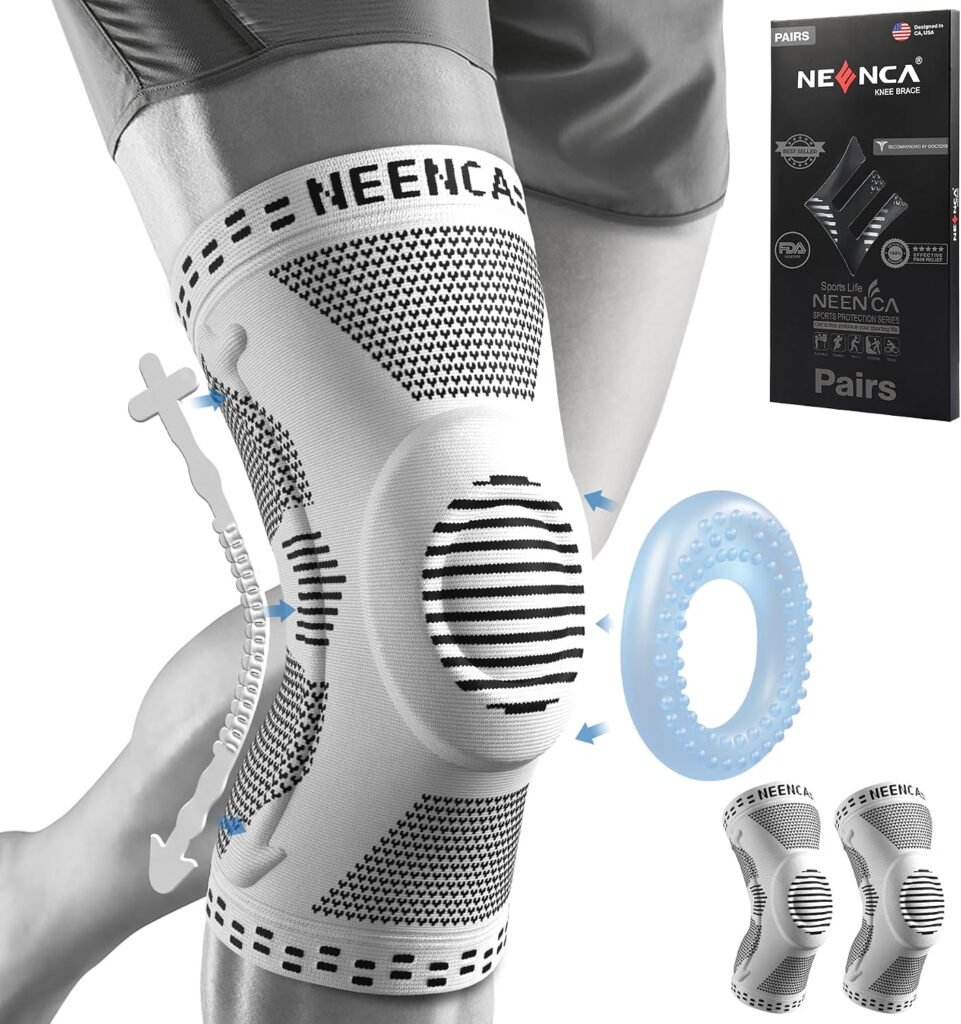
Look for a brace with either a silicone ring, gel pad, or dynamic strap system around the kneecap — this is the single most important feature in any knee brace for patellofemoral pain syndrome, since it directly addresses the maltracking that causes PFPS pain.
Compression Level
Moderate compression reduces swelling and improves proprioception (joint awareness), which helps many people feel more stable when choosing a knee brace for patellofemoral pain syndrome for daily wear.
Hinges vs. Sleeve-Only
If your pain includes any side-to-side instability, a hinged option like the McDavid 429X may suit you better than a plain sleeve.
Sizing
Measure around the mid-patella and 6 inches above the kneecap — most brands size based on these two measurements, and an ill-fitting brace can worsen tracking problems instead of fixing them.
Do Knee Braces Actually Help with Patellofemoral Pain Syndrome?
Yes — research and clinical experience both support using a knee brace for patellofemoral pain syndrome as part of a broader treatment plan. A well-fitted brace won’t cure PFPS on its own, but it reduces pain during activity by improving patella alignment, offering compression, and giving proprioceptive feedback that encourages better movement mechanics. Most physical therapists recommend pairing a knee brace for patellofemoral pain syndrome with quad and hip-strengthening exercises for the best long-term results, since weak hips and quads are a common root cause of poor kneecap tracking.
Tips for Wearing a PFPS Knee Brace Correctly
Even the best brace won’t help much if it’s worn incorrectly. Keep these tips in mind:
- Position the pad or ring correctly: The silicone ring or pad should sit directly around the kneecap, not above or below it — a common mistake that reduces effectiveness.
- Wear it during aggravating activities: Put the brace on before stairs, squats, running, or long walks rather than waiting until pain starts.
- Don’t rely on it 24/7: Give your skin and muscles some brace-free time each day, and use the support alongside — not instead of — strengthening exercises.
- Wash it regularly: Most compression sleeves are machine washable on a gentle cycle; letting sweat build up can cause skin irritation and shorten the brace’s lifespan.
- Replace it when the compression loosens: A stretched-out sleeve stops providing real support, usually after 6–12 months of regular use.
Frequently Asked Questions
Which type of knee brace is best for patellofemoral pain syndrome? Sleeves with a silicone patella ring or dynamic strap system (like the Bauerfeind GenuTrain P3 or DonJoy Reaction Web) tend to work best because they directly target kneecap tracking.
Can I wear a PFPS knee brace all day? Most compression-style braces are safe for extended daily wear, but it’s best to remove the brace periodically to let skin breathe and avoid over-reliance on external support.
Will a knee brace fix patellofemoral pain syndrome permanently? No — a brace manages symptoms and supports healing, but long-term relief usually requires strengthening exercises for the quads, hips, and glutes alongside brace use.
How tight should the brace be? Snug enough to stay in place during movement without cutting off circulation — you should be able to slide one finger under the edge comfortably.
Conclusion
Finding the right knee brace for patellofemoral pain syndrome can make a real difference in how you move through your day, whether you’re managing runner’s knee, recovering from a flare-up, or trying to stay active despite chronic discomfort. The Bauerfeind GenuTrain P3 is our top pick for chronic cases needing serious support, while the Vive Patella Stabilizer is a smart budget pick for lighter daily use. Whichever knee brace for patellofemoral pain syndrome you choose, pair it with proper strengthening exercises for the best long-term outcome.


2 Comments